


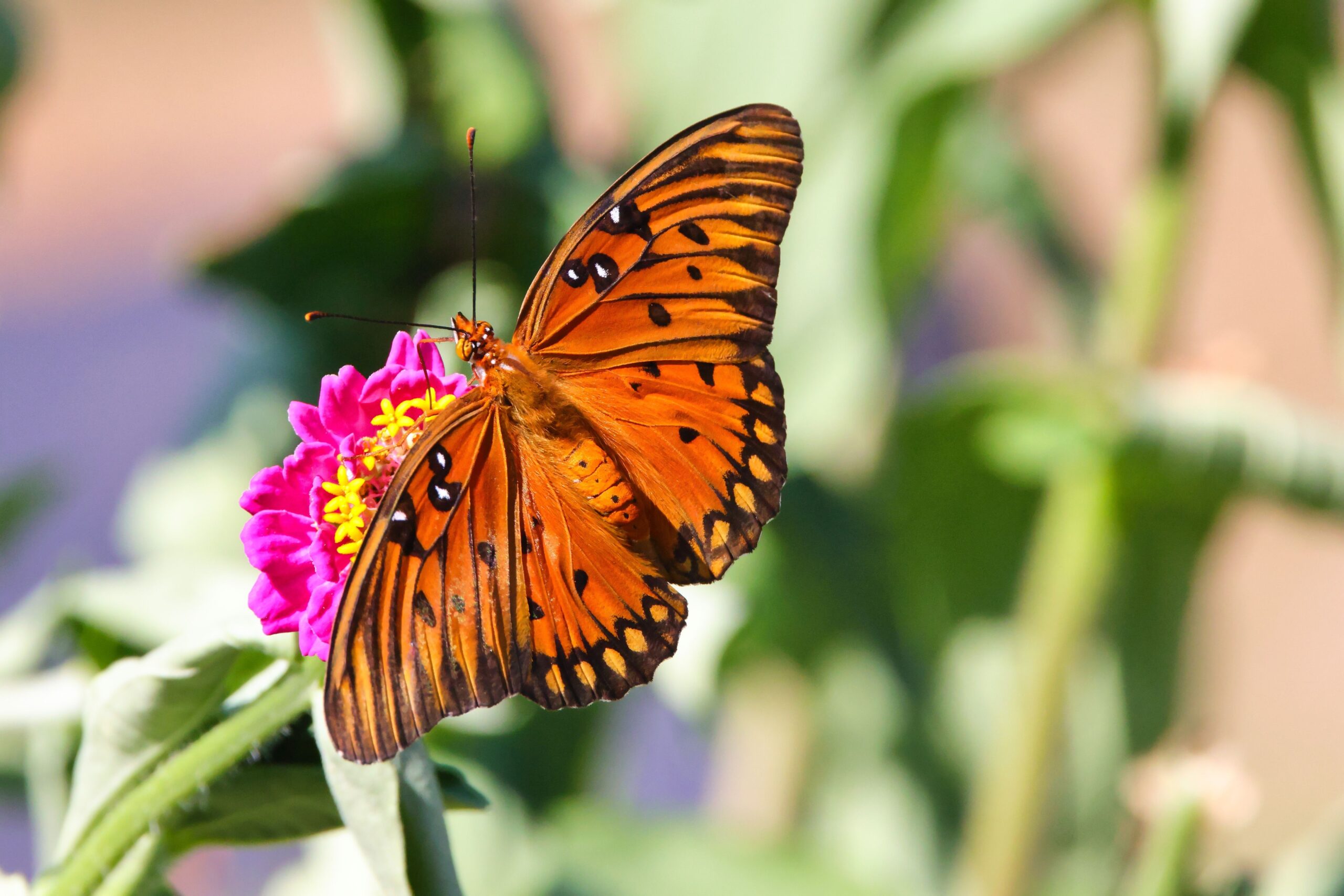
The rare Marsh Fritillary butterfly has had a strong year in Northern Ireland, thanks to warm weather and long-term conservation work. Once common across the UK and Ireland, the species declined sharply as farming practices changed and its key food plant, Devil’s-bit Scabious, became scarce.
Butterfly Conservation has spent years helping farmers manage grassland to support the butterfly, and recent surveys show major improvements. One monitored site saw caterpillar nests rise from 24 to 53, another from 24 to 139, and a third from five to 27.
Conservation manager Rose Cremin said weather can help in the short term, but proper habitat management is essential for lasting recovery. Volunteers survey sites each autumn by counting the silken webs where caterpillars cluster and feed.
The Marsh Fritillary produces only one brood a year, making it vulnerable to habitat loss. Although its distribution has fallen by 43% since 1985, this year’s results show that dedicated conservation efforts are starting to pay off.

