


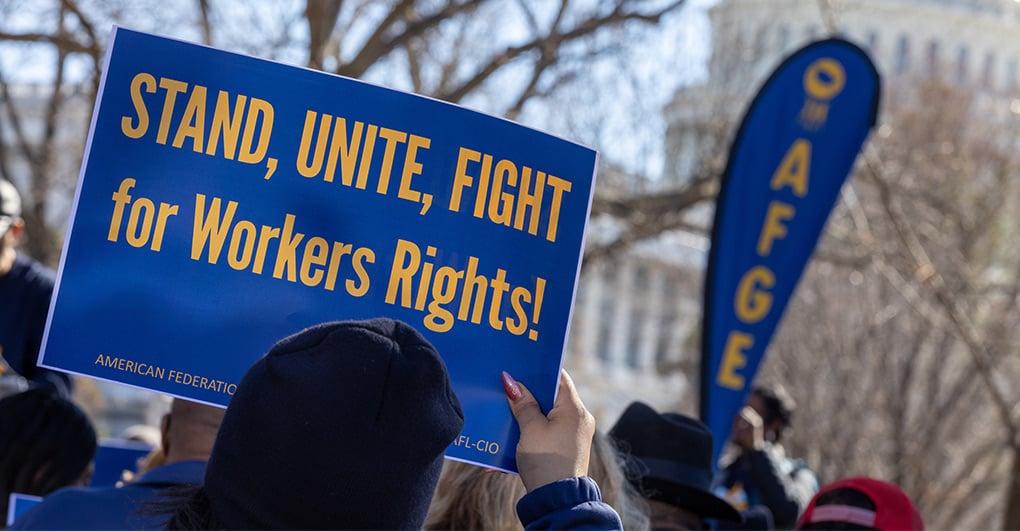
The U.S. House of Representatives has passed landmark legislation restoring collective bargaining rights for federal workers. Lawmakers from both parties hailed the bill as a rare example of bipartisan cooperation, aimed at strengthening protections for government employees.
The legislation ensures that federal workers regain the ability to negotiate over wages, benefits, and workplace conditions. Advocates say this move restores fairness and empowers employees in agencies across the federal government. Experts note that strong labor rights are essential for maintaining efficient and motivated public services.
Bipartisan support highlights broad recognition of the importance of federal worker protections. Both Democratic and Republican lawmakers emphasized that fair treatment and negotiation rights contribute to workforce stability and operational effectiveness in government.
Federal employees, who include teachers, administrative staff, engineers, and healthcare workers, have faced limits on bargaining powers in recent years. The new legislation reverses these restrictions, allowing workers to participate in collective decision-making and ensuring their voices are heard in workplace policies.
Labor unions praised the House vote as a significant step forward. Restoring collective bargaining rights is expected to improve morale, reduce turnover, and foster a more productive and engaged federal workforce.
Analysts say that this legislation could have long-term benefits for federal agencies. By empowering workers, agencies can improve efficiency, reduce disputes, and enhance service delivery to the public. Strong labor relations are often linked to better employee performance and satisfaction.
The bill is now expected to move to the Senate for consideration. Officials anticipate continued bipartisan dialogue to ensure its passage, highlighting the growing recognition of the importance of worker rights in public service.
Experts emphasize that collective bargaining is not only about compensation. It also covers workplace safety, scheduling, and professional development opportunities. These rights help ensure that federal employees can perform their duties effectively and fairly.
This legislative move is part of a broader trend to reinforce labor protections across both public and private sectors. By restoring federal worker rights, the government sets a precedent for treating employees fairly and maintaining a strong, professional workforce.
Observers note that successful implementation will require continued cooperation between federal agencies, labor unions, and policymakers. Ensuring that workers can exercise their rights while maintaining operational efficiency will be key to the law’s effectiveness.
The bipartisan support also reflects the growing public recognition of the value of federal employees. Lawmakers cited examples of essential services provided by government workers, from public health and safety to education and infrastructure. Protecting these workers is seen as central to sustaining effective governance.
Overall, the House’s vote to restore federal worker rights represents a meaningful step toward fair treatment, workplace equity, and stronger public institutions. By reaffirming collective bargaining powers, the legislation strengthens the role of federal employees and underscores the importance of collaboration between workers and government.

