


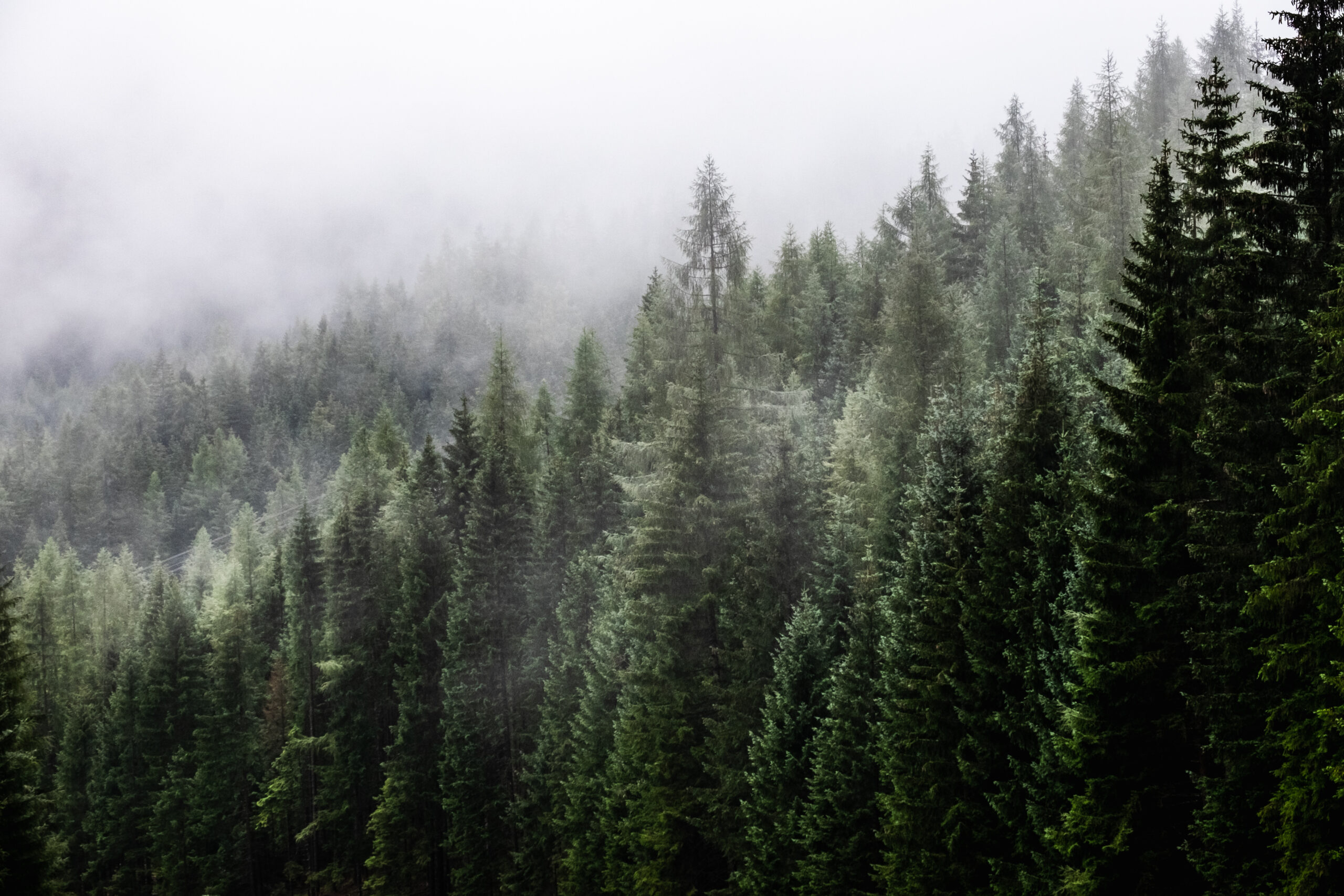
High in Greece’s Peloponnese mountains, vast areas of fir forest are dying – even where wildfires have not reached. Researchers say a dangerous mix of climate-driven stresses is pushing one of the country’s hardiest tree species into crisis.
Greek firs have long been resilient, surviving drought, insects and recurring fires. But when forest scientist Dimitrios Avtzis surveyed a recent burn area, he found something alarming: huge patches of dead and dying trees far beyond the fire’s edge. Entire slopes were turning brown.
The cause is not a single factor, but a cascade. Prolonged drought, rising temperatures and sharply reduced winter snowfall have weakened trees by cutting off vital moisture. That stress has opened the door to bark beetles, which burrow under the bark and disrupt water and nutrient flow. Once beetle populations explode, forests struggle to recover.
Similar outbreaks are now being reported elsewhere in southern Europe, suggesting the Peloponnese die-off is part of a wider ecological shift linked to climate breakdown.
Some recovery is possible. Mediterranean forests can regenerate after fire, but experts say it may take years and will be uneven. Scientists are calling for urgent government action and funding to manage beetle outbreaks and strengthen forest resilience.
“The science exists,” Avtzis says. “What matters now is whether we act – because these events will only become more frequent and more severe.”

