


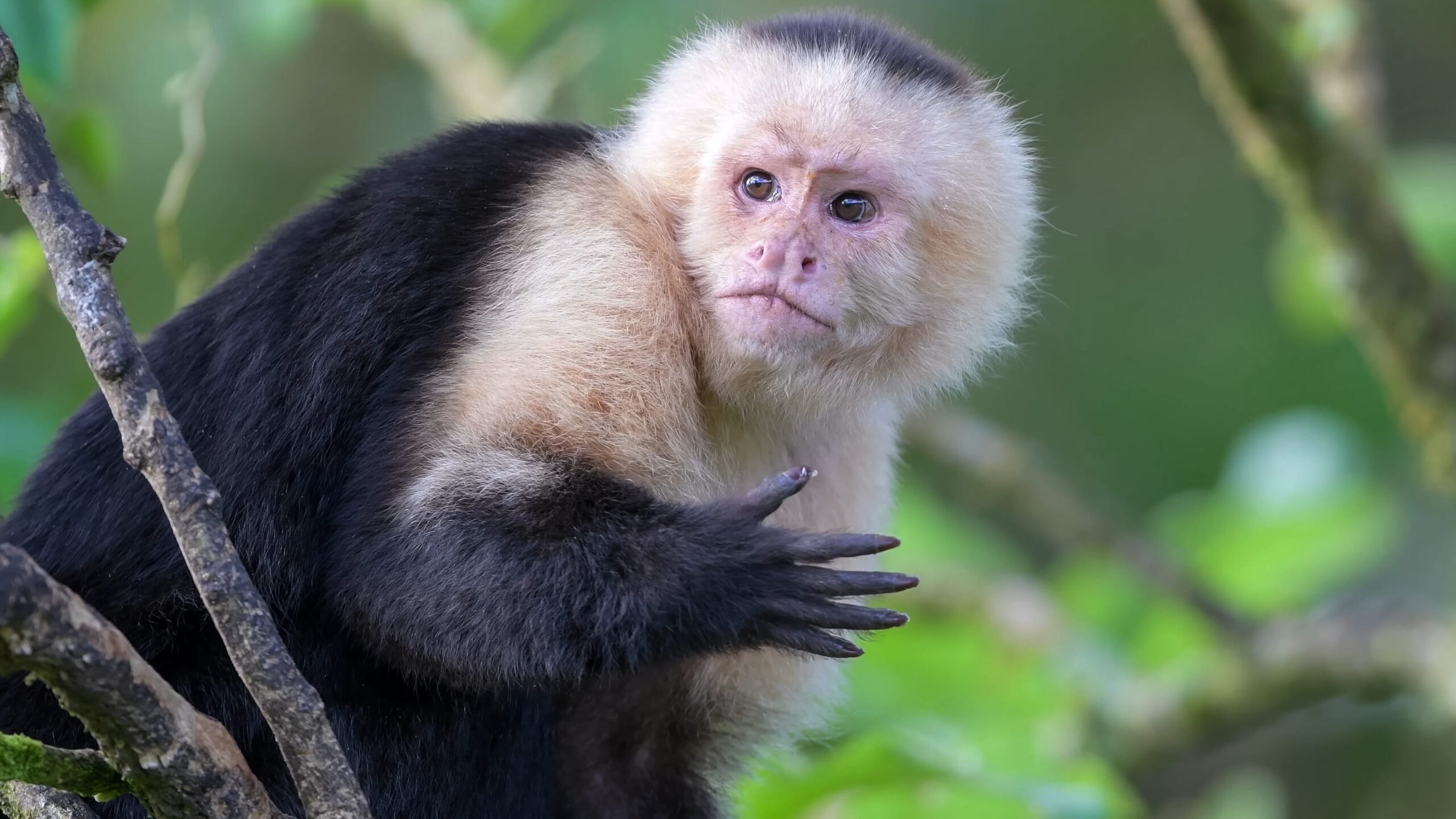
Same-sex sexual behaviour among non-human primates may help reinforce social bonds and maintain group cohesion during periods of environmental or social stress, according to new research. Scientists analysing reports across primate species found the behaviour to be widespread, appearing in 59 species, and linked it to challenging conditions such as scarce resources, higher predation risk and complex social hierarchies.
The study, led by researchers at Imperial College London and published in Nature Ecology & Evolution, suggests the behaviour can reduce tension, limit aggression and strengthen affiliative bonds. The authors found it was more common in species living in drier environments, with longer lifespans and pronounced size differences between males and females, traits often associated with intense social competition.
Professor Vincent Savolainen said the findings point to either a deep evolutionary origin or repeated independent evolution of the behaviour. The researchers cautioned against drawing direct conclusions about humans but noted early human species likely faced similar pressures. External experts welcomed the work as evidence that same-sex behaviour is a normal and adaptive part of primate social life, while others urged caution about extrapolating animal behaviour to human sexuality.

