


A Renewed Debate on Europe’s Deterrence
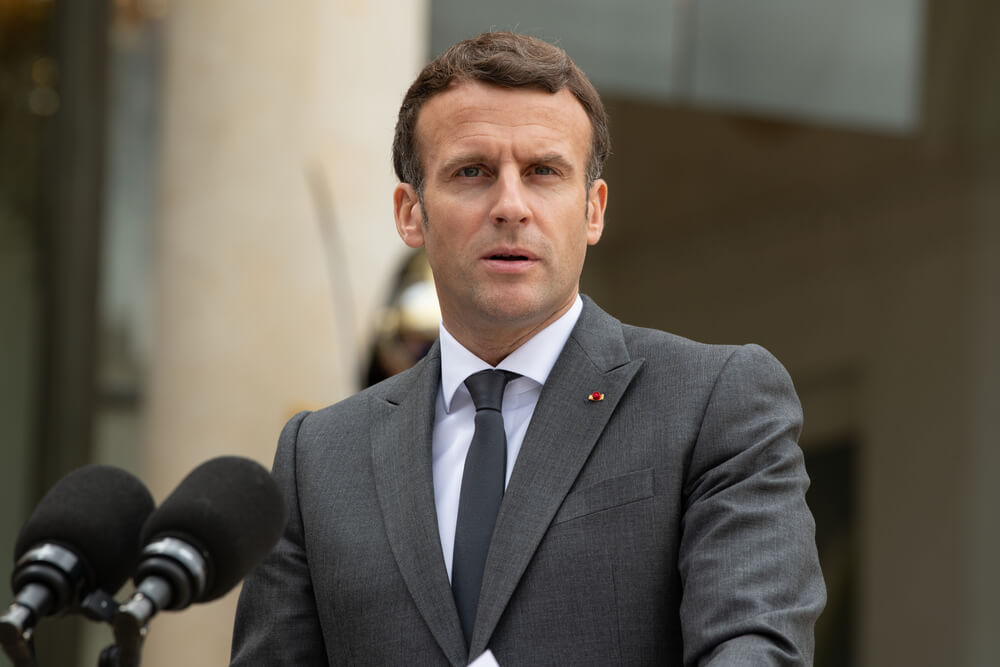
President Emmanuel Macron is expected to use a major speech on Monday to clarify how France could contribute to strengthening Europe’s nuclear deterrence. Speaking from the Île Longue peninsula — home to France’s four nuclear-powered ballistic missile submarines — Macron will revisit an idea he first floated in 2020: opening a broader strategic dialogue with European partners about France’s nuclear doctrine.
At the time, his proposal to involve interested EU countries in deterrence discussions and exercises attracted limited attention. But shifting geopolitical realities have since brought the issue back into focus.
Macron is not expected to position France’s nuclear capability as a replacement for the protection provided by the United States. Instead, aides stress that any expanded European role would complement NATO rather than compete with it.
Changing Security Landscape Fuels Interest
Europe’s security environment has changed dramatically in recent years. Russia’s full-scale invasion of Ukraine forced EU nations to confront their defence vulnerabilities, while the return of Donald Trump to the White House has revived concerns in some capitals about Washington’s long-term security guarantees.
Uncertainty over potential US troop reductions in Europe and renewed geopolitical tensions — including Russia’s development of hypersonic weapons, China’s expanding arsenal, and instability surrounding Iran — have all intensified discussions about strategic autonomy.
Earlier this month at the Munich Security Conference, Macron confirmed he had opened a “strategic dialogue” with German Chancellor Friedrich Merz and other EU leaders on how France’s national doctrine might fit into a broader European framework. According to French officials, there is now “growing interest among partners” in exploring those options.
No Arms Race, Paris Insists
France maintains a policy of “strict sufficiency,” meaning it keeps only the number of nuclear warheads deemed necessary to inflict unacceptable damage on an adversary. Its arsenal of roughly 300 warheads is significantly smaller than the estimated stockpiles of the US and Russia.
French officials emphasize that Paris is not seeking to enter a nuclear arms race but to ensure credible deterrence. They also underline that any European dimension would not undermine NATO’s role.
France and the United Kingdom have already deepened cooperation under the Northwood Declaration signed last summer, creating a joint Nuclear Steering Group and participating in each other’s exercises. As Europe reassesses its security foundations, Macron’s speech could mark a significant step in redefining how nuclear deterrence fits into the continent’s future defence strategy.

