


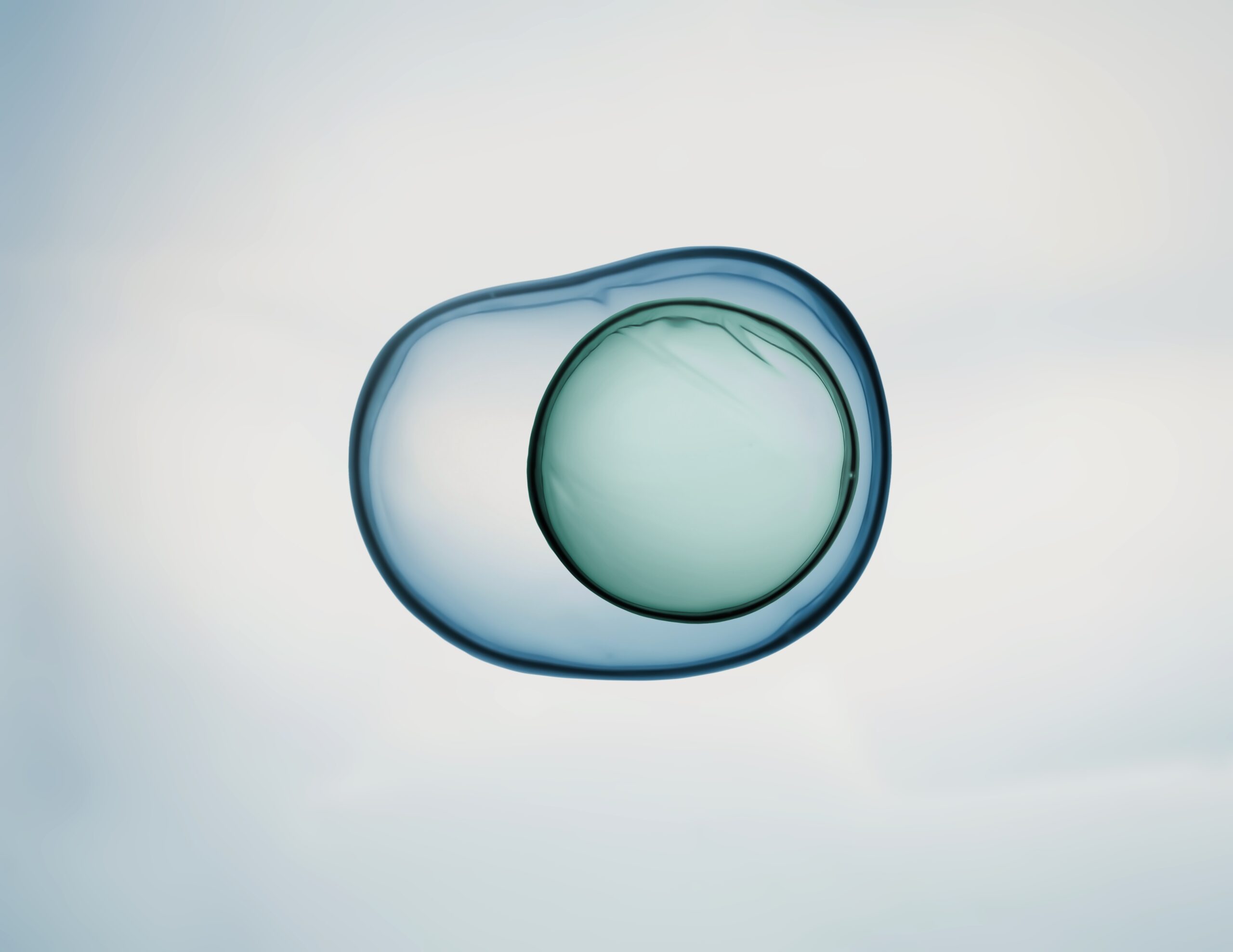
Scientists have successfully grown human embryo-like structures in the lab that produced blood cells, a development that could transform regenerative medicine and bone marrow transplant treatments.
Researchers at the University of Cambridge’s Gurdon Institute used stem cells to create models that mimic early human development — without eggs or sperm. The structures self-organised into layers that form the body’s foundation, and by day 13, red patches of blood appeared.
“It was an exciting moment when the blood-red colour appeared in the dish – it was visible even to the naked eye,” said Dr Jitesh Neupane, the study’s lead author.
The breakthrough could help scientists understand how blood and immune cells form during embryonic development and lead to lab-grown blood stem cells compatible with a patient’s own body.
Unlike earlier methods, which required added proteins, this approach mimics natural development, offering a simpler and potentially more effective route to producing human blood.
Prof Azim Surani, senior author of the study, said the research marked “a significant step toward future regenerative therapies using a patient’s own cells to repair or regenerate damaged tissues.”
The models, which lacked the capacity to form a full embryo, developed early heart cells by day eight and functioning blood stem cells soon after — providing scientists with a powerful tool to study early human development and blood disorders such as leukaemia.

