


Germany’s chancellor is wasting no time capitalising on Europe’s renewed trade momentum. After EU nations backed the controversial Mercosur agreement last week, Chancellor Friedrich Merz signalled that a long-awaited free trade deal between the EU and India could be signed before the end of this month.
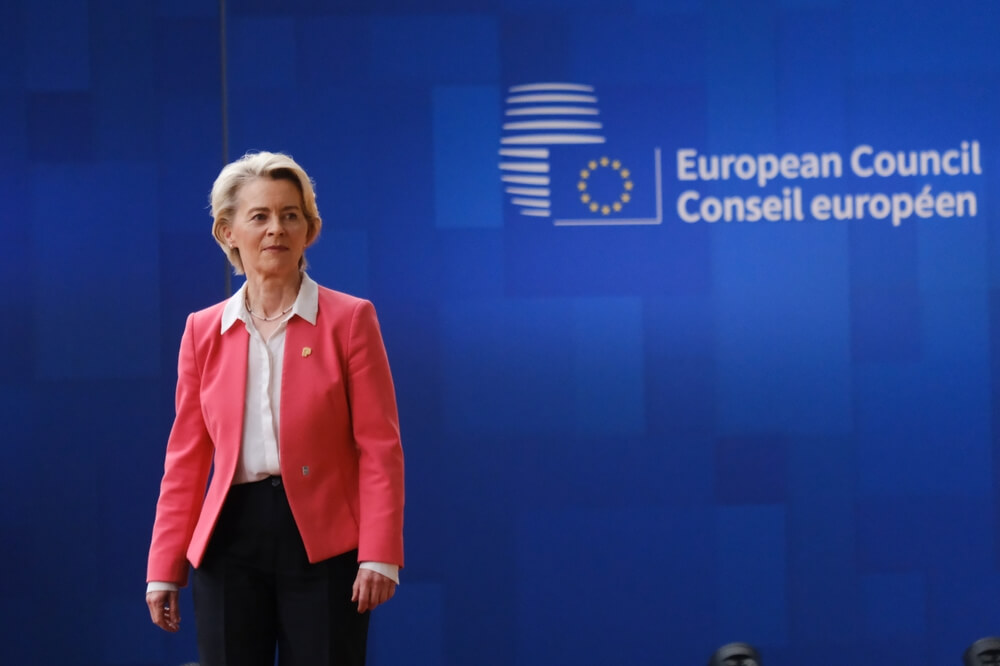
Speaking during a visit to India, Merz said European Commission President Ursula von der Leyen and European Council President Antonio Costa may travel to New Delhi in the coming weeks to finalise the agreement. His comments underline Germany’s push to broaden Europe’s trade partnerships beyond reliance on the United States and China.
A Push Against Rising Protectionism
Merz warned that global trade is drifting toward protectionism, calling it a threat to open markets and free trade principles. He described India as the fastest-growing economy in the G20 and a key strategic partner in the Indo-Pacific, arguing that a swift EU-India deal would send a strong message that Europe remains committed to economic cooperation.
Plans for an EU-India summit were discussed in Brussels last year, with hopes of closing negotiations by the end of 2025. That deadline slipped, but Merz now believes talks have reached their final phase and that a signing could happen within weeks.
Recent high-level negotiations in Brussels between Indian Commerce Minister Piyush Goyal and EU trade chief Maroš Šefčovič have intensified efforts to bridge remaining gaps. Both sides are also feeling pressure from growing trade tensions with the US and China, making diversification more urgent than ever.
Sticking Points on Green Standards
Despite optimism, difficult issues remain. Disagreements over sustainability rules and enforcement mechanisms have slowed progress, particularly around green standards and dispute settlement systems. India has also raised concerns about the EU’s Carbon Border Adjustment Mechanism, which could affect Indian exports.
Even so, Merz expressed confidence that the deal is within reach, calling it an encouraging step in Europe’s broader strategy to secure new free-trade partnerships.
Trade Strategy Sparks Political Tensions in France
While Germany champions trade expansion, the EU’s diversification agenda is stirring controversy elsewhere. France opposed the Mercosur agreement, arguing that Latin American imports could harm French farmers. With EU Commission President von der Leyen expected to travel to Paraguay on 17 January to sign the Mercosur deal, political tensions in France have escalated.
President Emmanuel Macron faces mounting pressure from both far-right and far-left opposition parties, who are calling for a vote of no confidence over the government’s stance on the agreement.
As Europe pushes forward with ambitious trade plans, Merz’s message is clear: the EU is looking east, and India may soon become one of its most important economic partners.

