


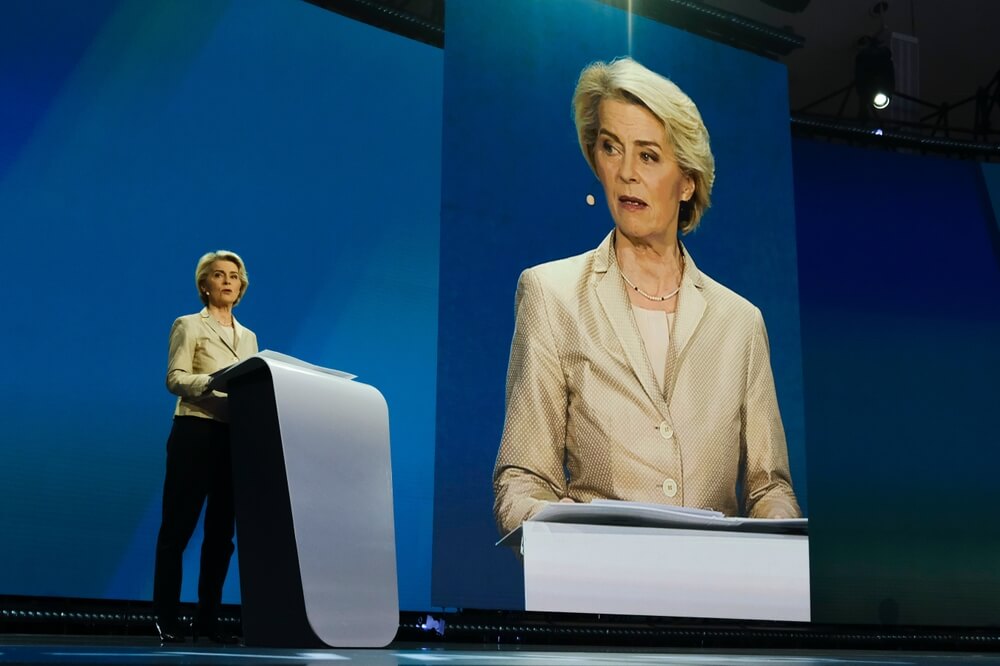
Tariff threat sparks unity across EU capitals
European leaders have moved quickly to present a united front after US President Donald Trump threatened to impose new tariffs unless Denmark agrees to sell Greenland, a move that has stunned diplomats and raised fears of a fresh transatlantic trade conflict. The warning, described by officials as unprecedented, has prompted strong statements from across the continent about sovereignty and collective resolve.
European Commission President Ursula von der Leyen, alongside French President Emmanuel Macron and German Chancellor Friedrich Merz, said Europe would remain “united, coordinated and committed” in the face of what they see as unacceptable pressure. The Trump administration has said an additional 10% tariff would be applied to goods from eight European countries from February 1, with the possibility of rising to 25% by June.
Greenland dispute deepens diplomatic rift
Trump’s comments were delivered via social media, where he said products from Denmark, Sweden, Norway, France, Germany, the Netherlands, Finland and the UK would face higher tariffs until a deal was reached for what he called the “complete and total purchase of Greenland.” The island is a semi-autonomous territory under Danish sovereignty.
The escalation follows a joint European mission to Greenland earlier this week, aimed at strengthening Arctic security. Washington reacted angrily to the move, arguing that Denmark and its allies cannot adequately safeguard the strategically important region. Danish officials have rejected that claim, noting that intelligence assessments do not support assertions of growing Chinese or Russian naval activity near the island.
Danish foreign minister Lars Løkke Rasmussen said he was surprised by the US response, stressing that the European presence was intended to enhance, not undermine, regional security.
Calls grow for a tougher EU response
The tariff threat has reignited debate within the EU over how to handle Trump’s confrontational trade tactics. Some lawmakers are urging Brussels to abandon restraint and activate the bloc’s so-called anti-coercion instrument, a powerful mechanism that would allow the EU to restrict US access to public contracts, licenses and even the single market.
German MEP Bernd Lange said trade was being used as a political weapon and warned that “a new line has been crossed.” He called for the suspension of recent tariff concessions granted to the US. European People’s Party leader Manfred Weber echoed that view, urging the European Parliament to freeze the EU-US trade deal altogether.
Macron struck a defiant tone, insisting Europe would not be intimidated “in Greenland or anywhere else,” while Swedish Prime Minister Ulf Kristersson said Europe would not submit to blackmail. As tensions rise, the standoff risks reshaping not just trade relations, but the broader political alliance between Europe and the United States.

