


Supreme Court Ruling Throws Deal Into Doubt
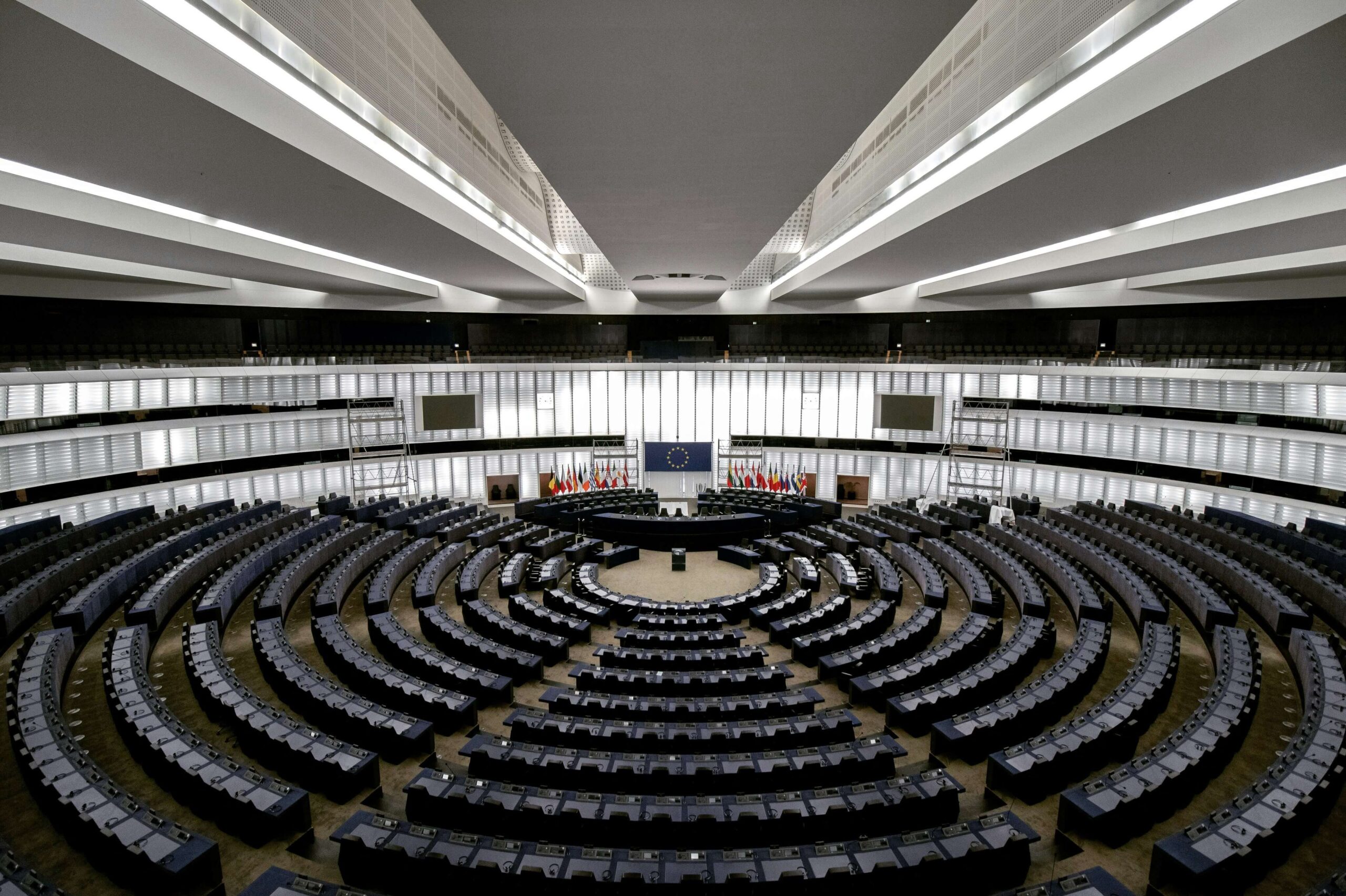
European Parliament negotiators have suspended progress on the EU-US trade agreement after a US Supreme Court ruling cast uncertainty over key parts of the 2025 deal. The court found that several tariffs imposed by President Donald Trump were unlawful, arguing he had exceeded his authority by introducing them without Congressional approval under emergency powers legislation.
In response, Trump announced new 15% duties on imports, further complicating the agreement’s legal footing and prompting alarm in Brussels.
MEPs Demand Clarity from Washington
German MEP Bernd Lange, who chairs the European Parliament’s trade committee, said the legal and political landscape surrounding the deal had fundamentally shifted. He stressed that lawmakers need firm assurances from Washington that the agreement will be honored and that the newly introduced tariffs will not undermine its terms.
The deal, originally struck in July 2025 between European Commission President Ursula von der Leyen and Trump after weeks of tense negotiations, locked in 15% US tariffs on EU exports while granting zero-duty access to most American goods entering the bloc. Many in Europe had already criticized it as uneven.
A parliamentary vote scheduled for Tuesday has now been scrapped, marking the second time lawmakers have frozen the agreement.
Emergency Talks and Uncertain Next Steps
EU Trade Commissioner Maroš Šefčovič held urgent talks with US officials, including Trade Secretary Howard Lutnick and Trade Representative Jamieson Greer, over the weekend. He also briefed G7 counterparts in an effort to ease tensions triggered by Washington’s latest tariff move.
Šefčovič said the EU had made clear that the integrity of the 15% all-inclusive tariff arrangement is crucial. “A deal is a deal,” he told lawmakers, expressing hope that Parliament could still move forward with ratification during its March plenary session.
Since returning to office, Trump has pursued a hardline trade agenda aimed at reshoring US industry and increasing federal revenue. But the Supreme Court’s ruling has now injected fresh uncertainty into transatlantic trade relations, leaving the future of the agreement hanging in the balance.

