


The European Union has taken another major step toward strengthening its defence capabilities, approving new national investment plans under its €150 billion Security Action for Europe (SAFE) programme. The initiative is a core part of the EU’s broader Readiness 2030 strategy, which aims to pour hundreds of billions of euros into defence by the end of the decade amid growing concerns over future security threats from Russia.
On Monday, the European Commission approved defence investment plans from Estonia, Greece, Italy, Latvia, Lithuania, Poland, Slovakia and Finland. Together, the eight countries requested €74 billion in loans, nearly half of the total funding the Commission plans to raise for SAFE. Poland alone accounts for €43.7 billion of the approved amount.
Defence Spending Gains Momentum
This marks the second round of approvals under the SAFE scheme. In January, another eight countries — Belgium, Bulgaria, Denmark, Spain, Croatia, Cyprus, Portugal and Romania — had plans worth a combined €38 billion approved.
Defence Commissioner Andrius Kubilius said the latest approvals show Europe is backing its security ambitions with real financial commitment. He said the EU is moving beyond strategy papers and turning defence planning into a concrete reality, sending a clear signal to both European industry and potential adversaries that the bloc is serious about its strength and sovereignty.
Building Europe’s Military Capabilities
So far, 19 EU member states have applied for SAFE funding, with allocations provisionally agreed last September. Investment plans from Czechia, France and Hungary are still under review.
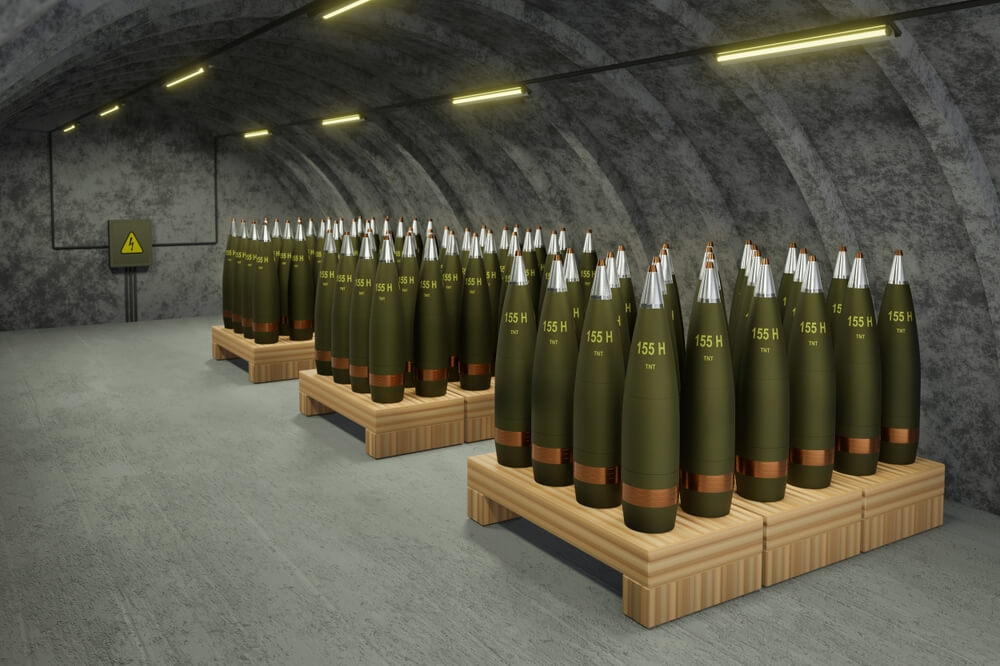
SAFE is designed to accelerate the joint procurement of critical defence equipment, including ammunition, missiles, artillery systems, drones, air and missile defence, cybersecurity tools, artificial intelligence, electronic warfare capabilities and protection for critical infrastructure and space assets.
A key condition of the programme is that most of the equipment must be made in Europe. At least 65% of component costs must come from the EU, EEA-EFTA countries or Ukraine, with Canada also eligible under a bilateral agreement with the bloc.
What Comes Next
The scheme is particularly attractive for countries with weaker credit ratings, as they can borrow on better terms through the Commission. Larger economies with strong credit standings, such as Germany, have opted not to request SAFE funding.
EU ministers now have four weeks to formally approve the latest plans, with the first payments expected in March 2026. European Commission President Ursula von der Leyen has previously suggested the programme could be expanded, noting that demand has already exceeded expectations, with participating countries initially requesting more than €150 billion in funding.

