


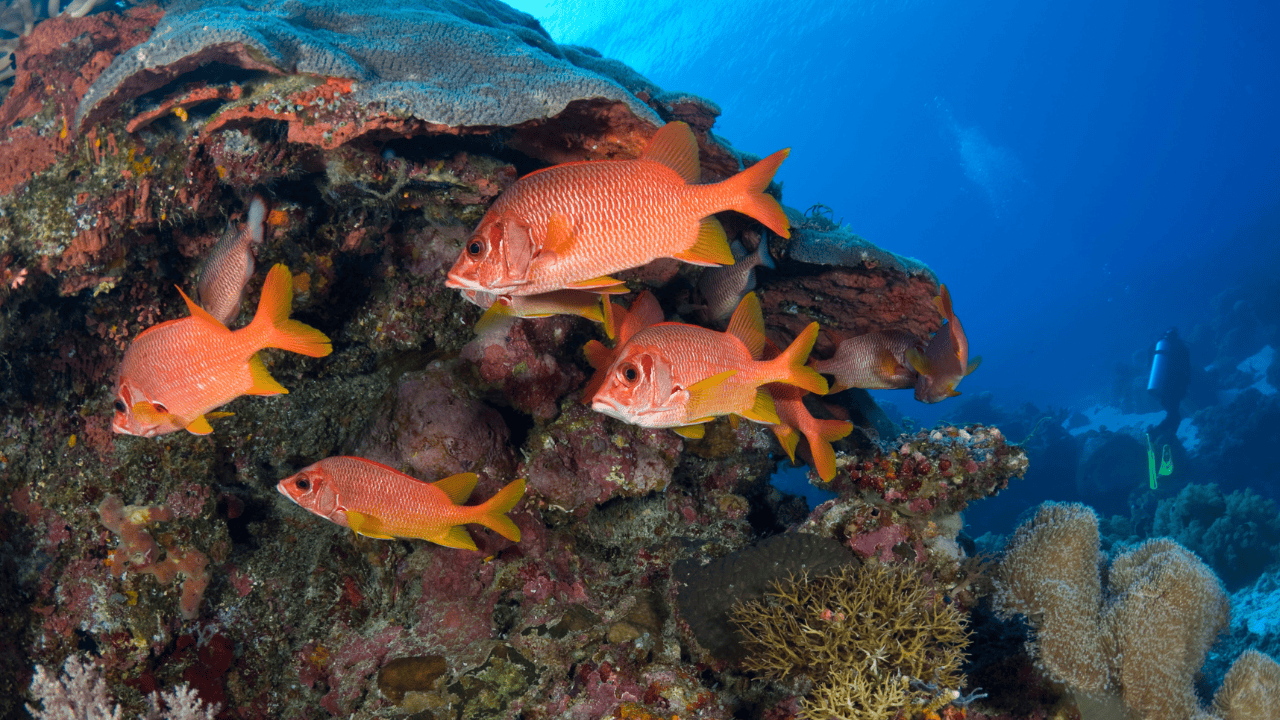
Recent research shows that coral reefs have significant potential to support sustainable food supplies. Scientists found that allowing coral reef ecosystems to recover could increase fish yields by nearly 50%, benefiting both marine biodiversity and local communities reliant on fisheries.
Coral reefs provide essential habitats for numerous fish species. When these ecosystems are healthy, they support greater fish populations, which in turn sustain local fishing industries and food security. The new findings highlight the role of coral conservation in maintaining reliable, long-term food resources.
Experts explain that reef recovery involves reducing pollution, protecting habitats from destructive fishing practices, and allowing natural regeneration. Rehabilitating coral reefs not only helps marine life thrive but also strengthens ecosystem resilience against climate change impacts such as warming oceans and ocean acidification.
The study emphasizes the economic and social benefits of coral restoration. Increased fish yields directly support livelihoods in coastal communities, offering stable income and nutritious food sources. Healthier reefs also enhance tourism, recreational activities, and coastal protection, providing additional local benefits.
Authorities note that coral reefs sustainable food initiatives align with broader conservation and climate goals. Protecting these ecosystems contributes to biodiversity preservation, carbon sequestration, and the overall health of oceanic systems.
Community engagement is key to these efforts. Local fishers, environmental organizations, and government agencies are encouraged to collaborate in monitoring reefs, enforcing sustainable fishing regulations, and participating in restoration projects. Public awareness campaigns help residents understand the importance of reef conservation for food security and economic sustainability.
Scientific innovations also support coral recovery. Techniques such as coral gardening, artificial reefs, and selective breeding of resilient coral species are being tested to accelerate restoration. These approaches increase the success of recovery projects and improve long-term sustainability outcomes.
Looking ahead, researchers stress that widespread reef restoration could substantially improve global fisheries. By scaling up conservation efforts, coral reefs sustainable food potential can help meet growing demands for seafood while maintaining ecological balance.
Overall, the study demonstrates that coral reefs sustainable food prospects are significant. Ecosystem recovery not only boosts fish yields by nearly 50% but also strengthens marine biodiversity and supports the well-being of communities that depend on these vital resources.

