


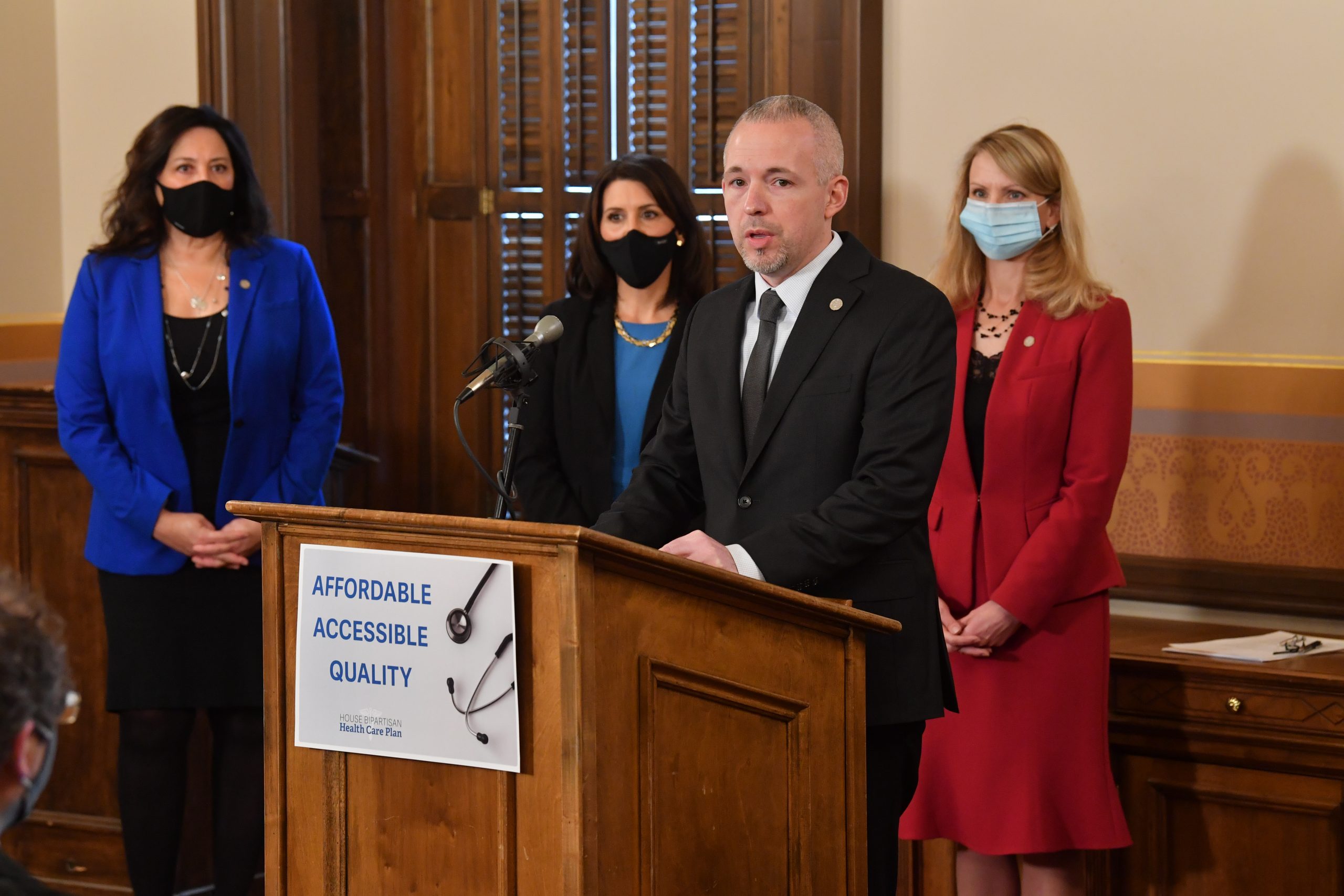
Both Republicans and Democrats are presenting new plans to address affordability challenges in the United States. Lawmakers are focusing on key issues like healthcare, housing, and energy costs, aiming to provide relief to families ahead of the 2026 midterm elections.
Rising costs have become a central concern for voters. Analysts note that addressing these issues is critical for political leaders seeking to maintain public support and connect with constituents who feel financial pressure in daily life.
Healthcare affordability is a major focus of the proposals. Lawmakers from both parties are considering ways to reduce prescription drug prices, expand access to care, and offer financial relief for patients with chronic illnesses. These initiatives are designed to make healthcare more accessible and manageable for families.
Housing costs are another priority. Plans include incentives for affordable housing construction, rent relief programs, and measures to stabilize housing markets. Experts say that affordable housing policies can help reduce economic strain for middle- and lower-income households.
Energy prices have also drawn bipartisan attention. Both parties are looking at solutions to lower utility bills, increase energy efficiency, and promote renewable energy options. These steps are expected to ease financial pressure while supporting long-term sustainability goals.
Political analysts emphasize that bipartisan collaboration on affordability issues signals a shift toward addressing voter concerns across party lines. Cooperation on such policies can boost public confidence and demonstrate lawmakers’ responsiveness to everyday challenges.
Lawmakers are also considering tax incentives and financial support programs. These measures aim to directly benefit households, increase disposable income, and reduce economic insecurity for working families.
Experts note that focusing on affordability can influence voter behavior. Economic issues often play a decisive role in elections, and addressing them effectively may shape outcomes in key districts during the 2026 midterms.
Public response to these plans is being closely watched. Many voters welcome bipartisan efforts, seeing them as a sign that lawmakers are prioritizing practical solutions over partisan disagreements. Early polls suggest that families burdened by high costs view these initiatives positively.
The proposals also highlight the broader economic context. Analysts say that managing healthcare, housing, and energy costs is essential for sustainable growth and social stability. By addressing these challenges, lawmakers aim to strengthen both individual financial security and the national economy.
As debates continue, lawmakers from both parties are expected to refine their proposals and seek consensus on effective solutions. The bipartisan focus on affordability underscores a commitment to practical policies that can provide tangible benefits to Americans.
With the 2026 midterms approaching, these initiatives may become central topics in campaigns and public discussions. Voters are likely to closely evaluate how proposed policies address real-world economic challenges and whether they provide measurable relief.

