


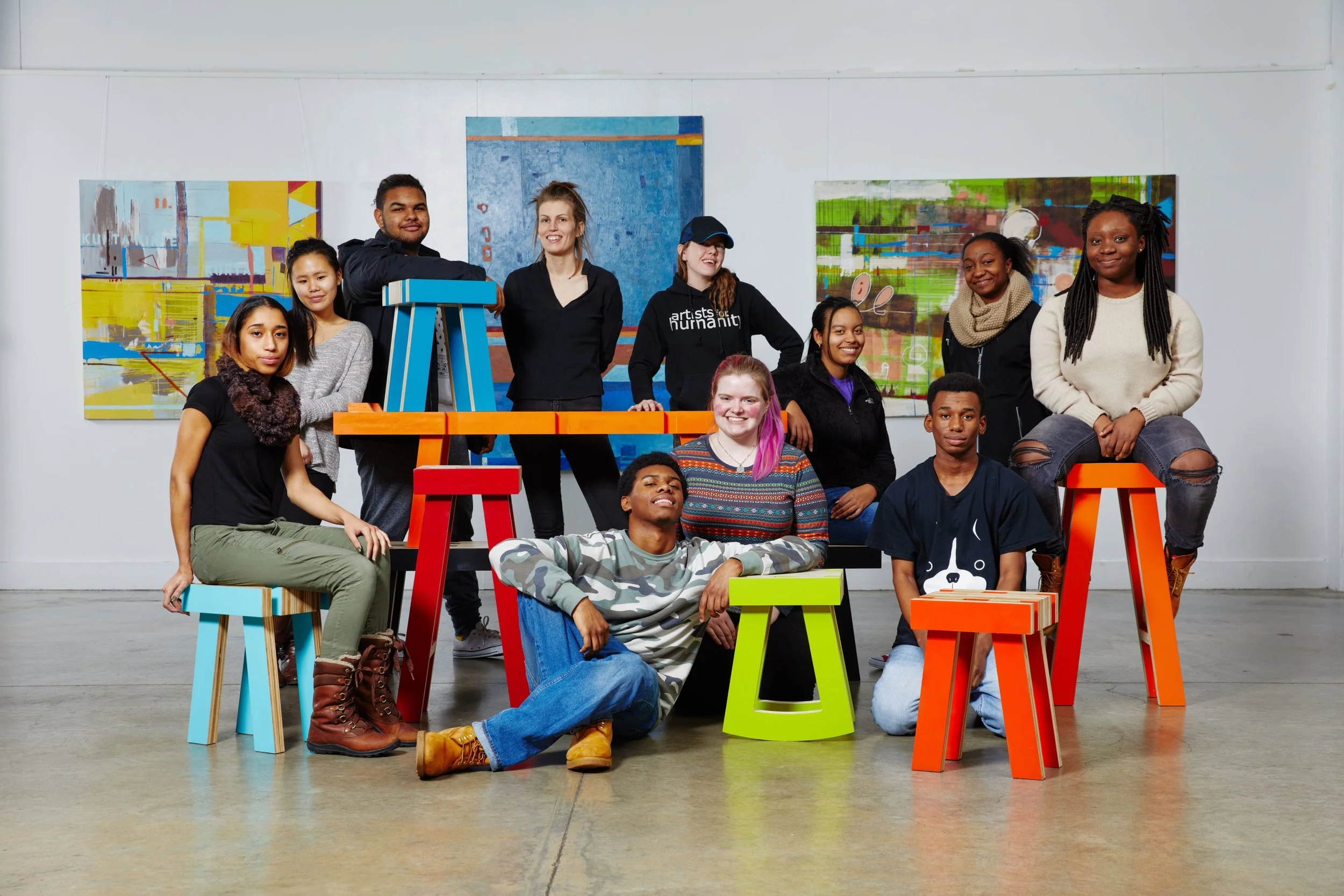
Artists for Humanity in South Boston is helping urban youth gain skills, confidence, and career opportunities through the arts. The program offers paid apprenticeships, providing young people with real-world experience while fostering creativity and social engagement.
The initiative targets teenagers from diverse backgrounds, many of whom face economic or social challenges. By offering structured mentorship, professional training, and hands-on arts experience, the program helps participants develop both artistic and workplace skills.
Apprentices work on projects ranging from visual arts and design to public installations and creative services. These experiences allow youth to showcase their talents, contribute to community projects, and learn valuable problem-solving and teamwork skills that extend beyond the arts.
Artists for Humanity emphasizes the connection between cultural engagement and social mobility. Participants receive financial compensation, which supports them economically while reinforcing the value of their contributions. This approach empowers youth, boosts self-esteem, and encourages long-term personal and professional growth.
The program also builds community ties. By collaborating on public art projects and local initiatives, youth interact with residents, businesses, and civic organizations. These partnerships strengthen neighborhoods and create a sense of shared purpose, while inspiring other young people to pursue creative and professional goals.
Research shows that arts engagement can improve academic performance, emotional well-being, and social skills. Programs like Artists for Humanity combine these benefits with practical experience, offering participants a pathway to higher education and careers in creative industries.
Experts highlight that such programs have lasting impacts. Youth gain a better understanding of professional expectations, build networks, and acquire transferable skills in leadership, communication, and collaboration. These advantages contribute to greater social mobility and help bridge inequality gaps in urban communities.
Artists for Humanity’s model demonstrates how cultural programs can serve as catalysts for change. By integrating arts education with workforce training and mentorship, the organization creates a win-win scenario: youth gain opportunity and confidence, while communities benefit from creative contributions and stronger social connections.
The program continues to expand, attracting local support from businesses, civic leaders, and arts organizations. Its success showcases the potential of arts-based initiatives to address economic and social challenges, while nurturing the next generation of artists and leaders.
Through paid apprenticeships, mentorship, and real-world projects, Artists for Humanity empowers youth to reach their potential. The program highlights the role of arts as a tool for personal growth, social equity, and community enrichment.
By combining creativity with professional development, Artists for Humanity provides a model for how arts organizations can support urban youth. Its impact demonstrates that culture, education, and opportunity can work together to foster both individual success and stronger, more connected communities.

