


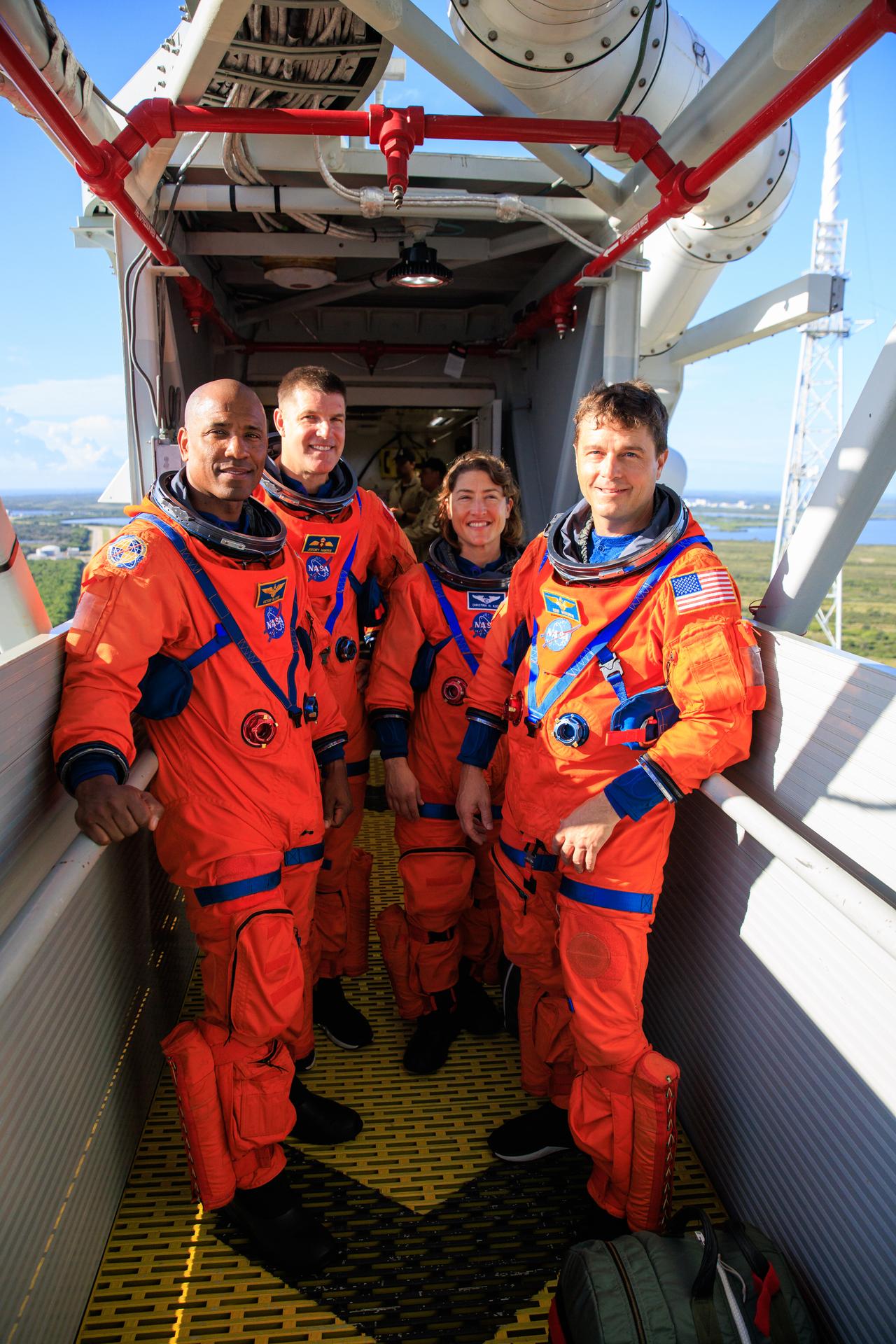
Space missions like NASA’s Artemis II have far-reaching effects beyond the Moon, shaping everyday technologies on Earth. Many tools and systems we use today originate from innovations developed for space exploration.
Artemis II, the first crewed lunar flyby in over 50 years, tests cutting-edge spacecraft systems, life-support technologies, and advanced materials. These developments often find practical applications in daily life, from medical devices to electronics and transportation.
“Space exploration pushes the limits of technology,” said a NASA spokesperson. “Every innovation we create for missions like Artemis II can inspire solutions for real-world problems.”
Materials designed to withstand extreme temperatures and radiation on lunar missions are now used in electronics and protective equipment. Advanced communication systems developed for space help improve mobile networks, satellite internet, and data transfer on Earth.
Even everyday products, such as memory foam, scratch-resistant lenses, and improved water filtration systems, have roots in space research. Artemis II and its predecessors continue this tradition, creating technologies that eventually benefit industries and consumers globally.
The Artemis II mission also drives advancements in software and artificial intelligence. Spacecraft rely on AI and automation for navigation, system monitoring, and data analysis. These tools have influenced autonomous vehicles, robotics, and smart devices on Earth.
Analysts note that U.S. space exploration strengthens innovation ecosystems. Universities, private companies, and government labs collaborate to develop technology for missions, which often leads to commercial applications. This cycle helps maintain U.S. leadership in science and technology.
Artemis II’s contributions extend to sustainable energy solutions as well. Efficient power systems and energy storage technologies designed for spacecraft can improve renewable energy devices, batteries, and electronics back on Earth.
The mission highlights how investment in space science has a multiplier effect. Breakthroughs in materials, communications, computing, and energy reach far beyond lunar exploration, influencing sectors like healthcare, transportation, and consumer electronics.
By showcasing the connection between space and Earth-bound technologies, Artemis II reminds the public that lunar exploration is more than scientific achievement—it drives practical innovation that impacts daily life.
NASA plans to continue leveraging Artemis missions for technology development. Lessons learned in extreme environments inform safer, faster, and more efficient tools, fueling progress across multiple industries.
Experts emphasize that supporting space programs like Artemis II ensures continuous advancement in innovation. The mission serves as both a milestone in human exploration and a catalyst for practical technologies that improve quality of life worldwide.
As Artemis II orbits the Moon and collects data, it reinforces the idea that space exploration is a driver of technology on Earth. From advanced medical devices to improved electronics, the mission demonstrates how pushing the boundaries of space benefits everyone.

