


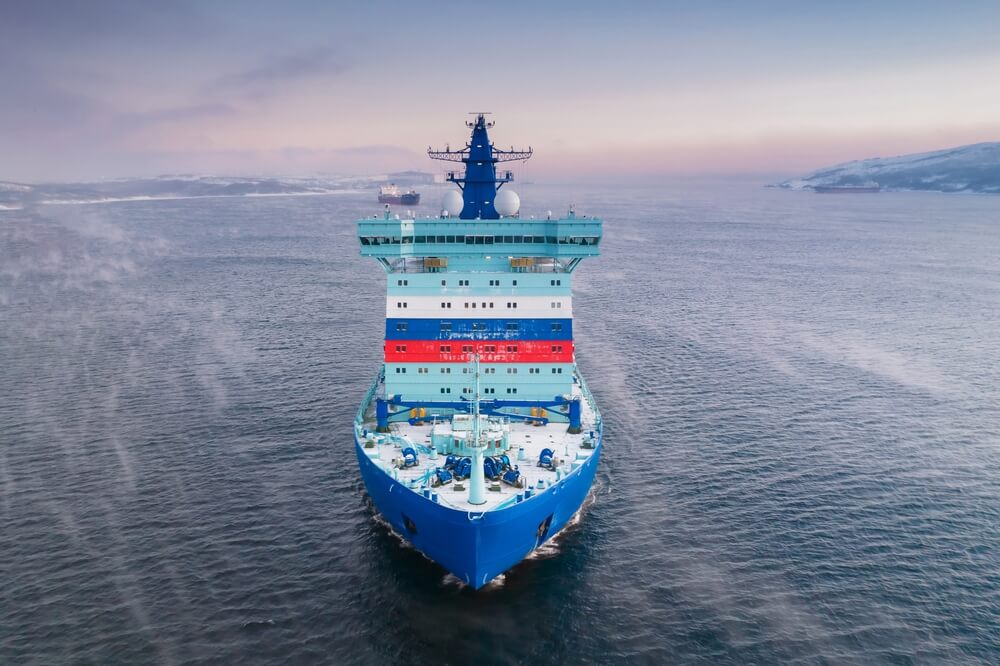
Melting Ice Opens the Arctic to More Ships
As global temperatures rise, Arctic sea ice is disappearing faster than ever, opening shipping routes that were previously frozen year-round. Cargo vessels, fishing boats, and even some cruise liners are now navigating these northern waters, but this surge in traffic comes at a steep environmental cost. Ships emit black carbon, or soot, which settles on ice and snow, darkening the surface. This reduces the reflective ability of ice, causing it to absorb more heat and accelerate melting. “It ends up in a never-ending cycle of increased warming,” says Sian Prior, lead adviser for the Clean Arctic Alliance.
Cleaner Fuel Push Faces Global Hurdles
To combat the problem, France, Germany, Denmark, and the Solomon Islands have proposed that the International Maritime Organization require ships north of the 60th parallel to use lighter “polar fuels,” which produce far less soot than traditional marine fuels. The measure builds on a 2024 ban on heavy fuel oil, though loopholes have limited its effectiveness. Environmental advocates say regulating fuels is the only realistic way to curb black carbon, as limiting ship traffic entirely is unlikely due to economic incentives like shorter routes and resource access.
Politics and Industry Slow Progress
Efforts to clean up Arctic shipping are entangled in international politics and industry pressures. Geopolitical tensions, including debates over Greenland and broader Arctic security, have overshadowed environmental concerns. Even within Arctic nations, economic interests slow action. In Iceland, for example, the fishing industry wields major influence, complicating the government’s ability to enforce stricter maritime rules. Meanwhile, Arctic shipping continues to grow: between 2013 and 2023, ship traffic north of the 60th parallel rose 37%, and the total distance traveled increased 111%, fueling a rise in black carbon emissions that threatens the region’s delicate ecosystem.

