


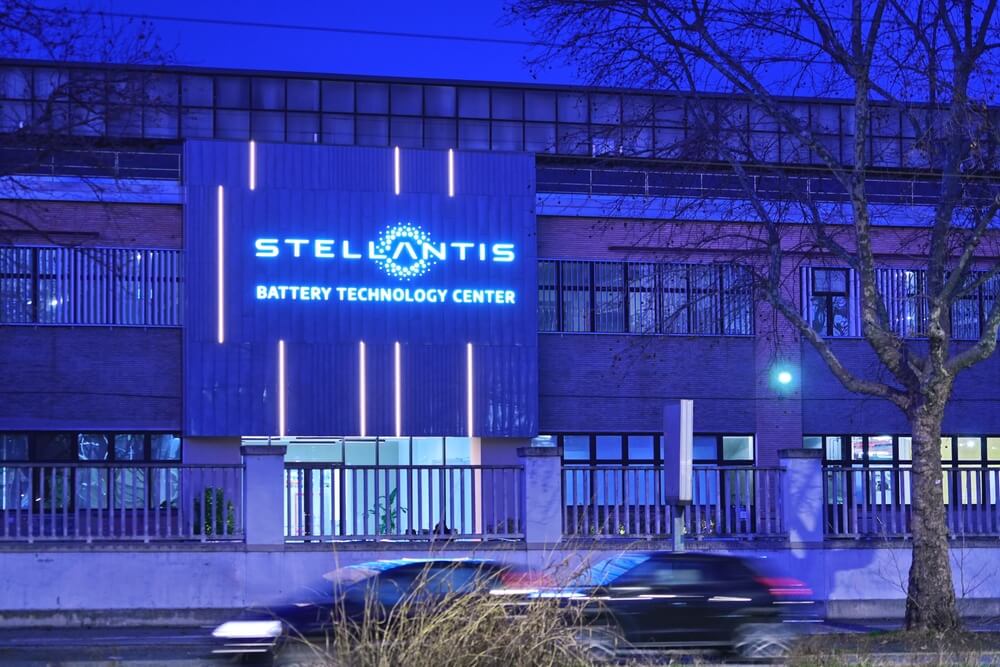
Italy and Germany Projects Dropped
Automotive Cells Company (ACC), a major European battery venture, has officially abandoned plans to build electric vehicle battery gigafactories in both Italy and Germany. The decision follows weaker-than-expected growth in demand for electric vehicles, according to Italy’s metalworkers’ union UILM.
The union said ACC management confirmed that the proposed factory in Termoli, Italy, will not go ahead, and that plans for a similar facility in Germany have also been scrapped. Both projects had already been on hold since 2024 as the company reassessed its strategy.
EV Demand Falls Short of Expectations
ACC, which is backed by Stellantis alongside TotalEnergies and Mercedes-Benz, acknowledged that market conditions no longer support restarting the projects. The company said the key conditions needed to move forward in Italy and Germany are “not yet in place,” pointing to slower EV adoption and uncertainty over battery technology choices.
The halted factories were part of a broader European push to build domestic battery capacity and reduce reliance on Chinese suppliers. However, rising costs and a reassessment of battery technologies — including a possible shift to cheaper alternatives — forced ACC to rethink its expansion plans. The company is now in discussions with unions about how to manage a formal shutdown of the proposed sites in Kaiserslautern and Termoli.
Wider Impact on Europe’s EV Ambitions
The decision comes as Stellantis, Europe’s second-largest carmaker, warned it would take a €22 billion hit after significantly overestimating electric vehicle demand. That admission reflects a broader cooling of the EV market, as governments in both Europe and the US have eased strict emissions targets following years of aggressive clean-vehicle policies.
Italy had already pulled back €250 million in EU funding for the Termoli project in September 2024 due to uncertainty around its timeline. With major players now scaling back investments, the slowdown raises fresh questions about how quickly Europe can build a competitive, self-sufficient electric vehicle supply chain.

