


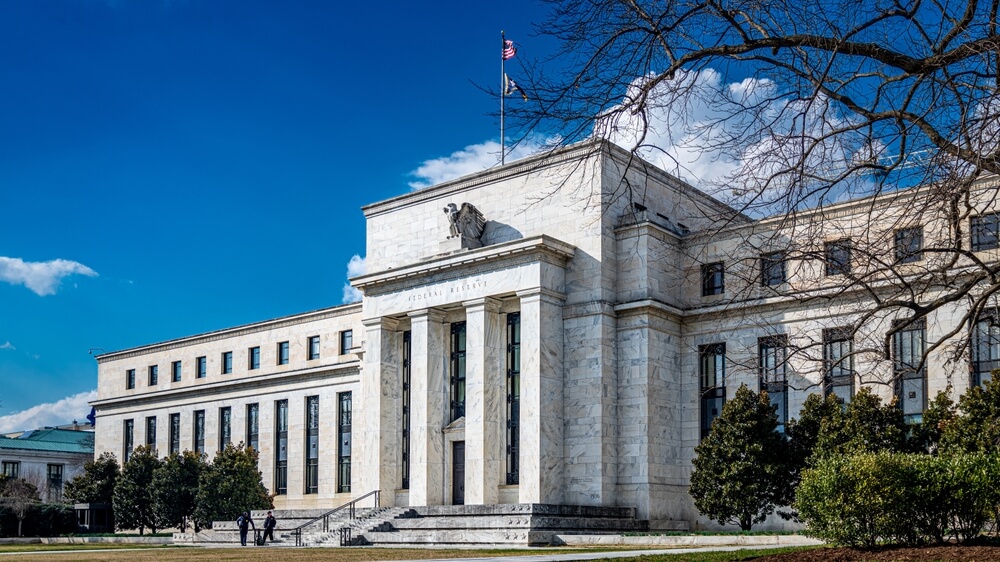
A Steady Hand on Interest Rates
The US Federal Reserve decided on Wednesday to hold interest rates steady, keeping its key rate at around 3.6% after making three cuts last year. The move signals that policymakers believe the economy is on solid footing for now, with growth described as “solid” and signs that the job market has stabilised.
With hiring holding up and no immediate economic slowdown in sight, Fed officials appear in no hurry to push borrowing costs lower again.
Inflation Still Drives the Debate
Despite expectations that rates will eventually come down further this year, many policymakers want clearer evidence that inflation is easing toward the Fed’s 2% target. According to the central bank’s preferred measure, inflation stood at 2.8% in November, slightly higher than a year earlier.
The decision was not unanimous. Governors Stephen Miran and Christopher Waller voted against holding rates, instead backing another quarter-point cut. Miran, appointed by President Donald Trump last September, has consistently pushed for more aggressive reductions. Waller, meanwhile, is being considered as a potential successor to Fed Chair Jerome Powell, whose term ends in May.
Political Pressure and What Comes Next
The Fed’s choice to stay on hold is likely to draw further criticism from President Trump, who has repeatedly urged Powell to slash rates more sharply. This week’s meeting took place under intense political scrutiny, with Powell recently confirming the Fed had received subpoenas linked to a Justice Department investigation into his congressional testimony over a $2.5 billion building renovation.
Lowering the Fed’s key rate typically brings down borrowing costs for mortgages, car loans and business lending, though market forces also play a role. The bigger question now is how long the pause will last. Within the rate-setting committee, views remain divided between officials who want to wait until inflation cools further and those who believe additional cuts are needed to keep the job market strong.

