


Any Agreement Must Go Before All Allies
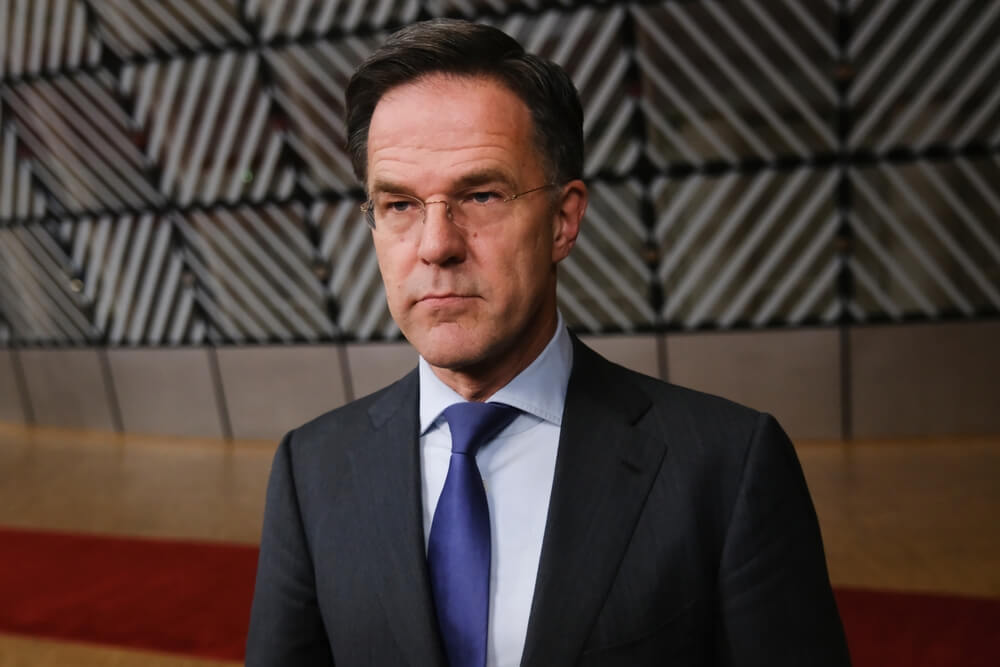
Any security arrangement for Greenland negotiated by NATO Secretary General Mark Rutte will need to be presented to all NATO members before it can move forward, Spain’s foreign minister has said. Speaking to Euronews on the sidelines of the World Economic Forum in Davos, José Manuel Albares stressed that the talks so far amount to a bilateral discussion, not a formal NATO decision.
“This is not NATO,” Albares told Euronews. “It is the Secretary General of NATO talking to one of the allies.” He added that no detailed information has been shared with other member states beyond a brief public announcement, and said he expects any proposal to be discussed by NATO’s governing council.
Sovereignty of Greenland Is Not Negotiable
US President Donald Trump announced on Wednesday that his administration had reached a deal with Rutte aimed at strengthening security in Greenland, potentially expanding the American military footprint in the Arctic. The move follows weeks of tension, during which Trump argued that US control of Greenland was vital to counter Russian and Chinese influence in the region.
Albares rejected that stance, insisting that Greenland’s future can only be decided by Greenlanders and Denmark. “The people have been very clear — they want to remain part of Denmark,” he told Euronews. Danish authorities have repeatedly underlined that Greenland is not for sale and that its sovereignty is not part of any agreement.
Trump has previously threatened tariffs on several European countries, including Denmark, France and Germany, in an effort to force a deal over Greenland. Spain’s foreign minister described that approach as unacceptable, saying the EU would not negotiate under pressure or coercion.
Calls Grow for a European Defence Force
Beyond the Greenland issue, Albares used the interview with Euronews to push for a stronger and more unified European defence strategy. He argued that Europe must be able to protect itself from both military threats and economic pressure.
“If we want to remain a continent of peace, we need deterrence in our own hands,” he said. That, according to Albares, means closer cooperation among willing EU states, deeper integration of defence industries and, ultimately, progress toward a European army.
As tensions rise in the Arctic and beyond, Spain’s message is clear: decisions affecting Europe’s security must be made collectively, not through backroom deals or pressure tactics.

