


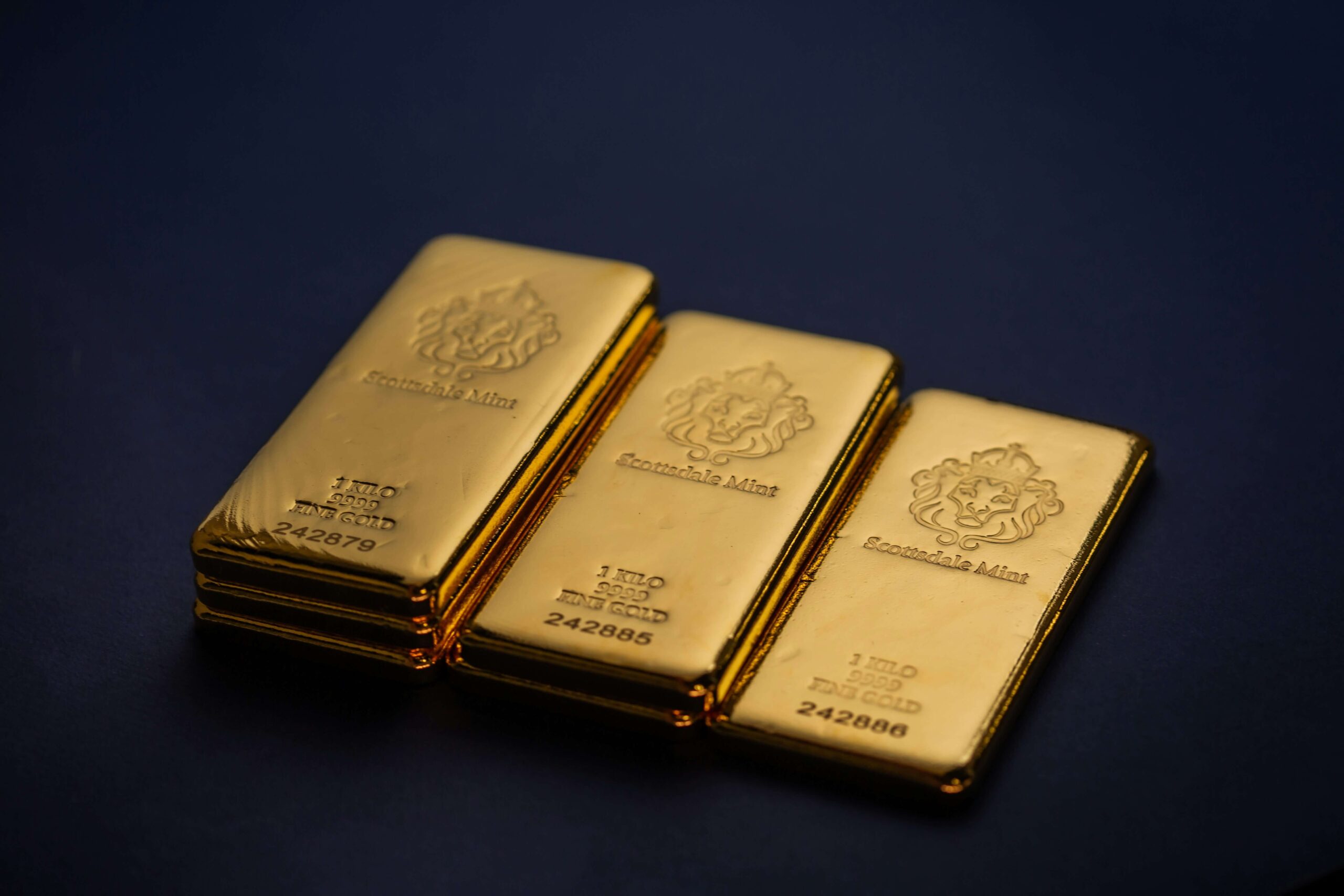
Poland’s central bank has quietly built one of Europe’s largest gold stockpiles, pushing its bullion reserves to around 550 tonnes, now worth more than €63 billion. The move underscores a long-term strategy to strengthen economic security amid global uncertainty.
Why Gold Sits at the Heart of Poland’s Strategy
For years, National Bank of Poland (NBP) president Adam Glapiński has argued that gold plays a unique role in safeguarding the country’s finances. Unlike currencies or bonds, gold carries no credit risk, is not tied to the monetary policy of other nations, and tends to hold its value during financial turmoil.
Those qualities have driven a rapid shift in Poland’s reserve structure. Gold made up just under 17% of foreign exchange reserves in 2024, but by the end of 2025 that figure had jumped to more than 28% — one of the fastest increases seen among central banks worldwide. The largest purchases came late in 2025, a period marked by heightened market volatility and geopolitical tension.
Ambitions That Go Beyond Europe
Poland’s plans do not stop at 550 tonnes. The NBP has set an ambitious target of 700 tonnes of gold, with the total value of its bullion reserves projected to reach roughly PLN 400 billion (€94 billion). Earlier this year, Glapiński confirmed he would push the bank’s board to formally approve further purchases.
This expansion has already placed Poland ahead of the European Central Bank in terms of gold holdings. While the ECB oversees eurozone monetary policy, its own gold reserves stand at about 506.5 tonnes, with most bullion held by national central banks. Poland’s growing stockpile strengthens its standing within Europe’s financial system, even as critics argue the money could generate income if invested in interest-bearing assets like bonds.
A Global Rush for Bullion
Poland’s approach mirrors a wider global trend. According to the World Gold Council, 2025 saw continued accumulation of gold by central banks, with 95% of those surveyed expecting global holdings to rise further. Analysts say gold’s independence from currency risk and its role in diversification are key drivers behind this surge.
The buying spree has coincided with record-high gold prices, and forecasts for 2026 remain bullish. Major banks predict prices ranging from around $4,150 to as high as $5,300 per ounce under strong demand scenarios. While institutional purchases do not directly set prices, they help reinforce gold’s appeal as a safe haven for both governments and private investors.
For Poland, reaching 550 tonnes is a milestone rather than an endpoint. As global financial and political fault lines deepen, the country appears determined to anchor its long-term security in an asset that has regained prominence in an increasingly uncertain world.

