


Christmas offers plenty of chances to sneak science into family celebrations without a lab coat.
Researchers say simple experiments can turn food, jokes, and decorations into moments of discovery.
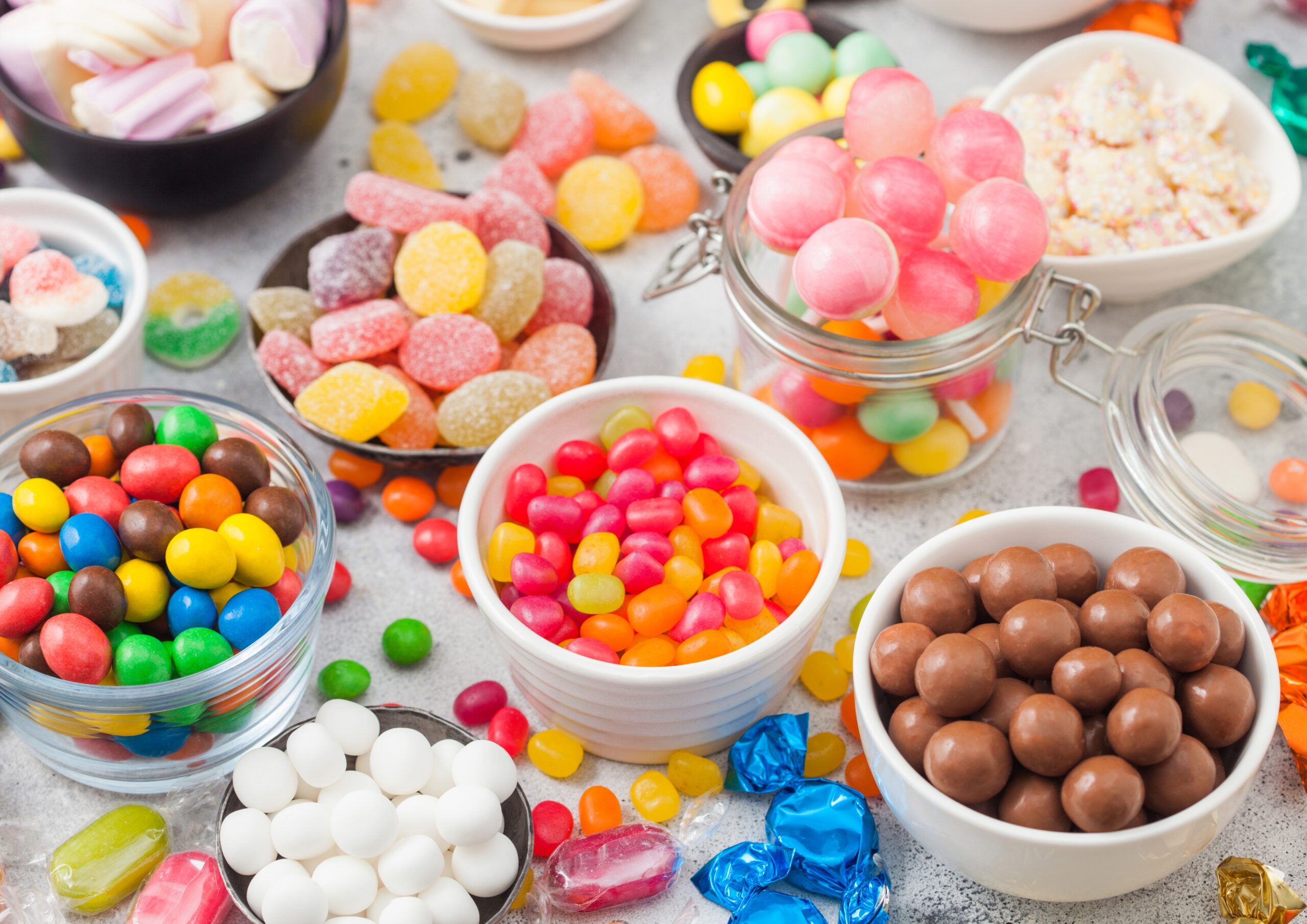
Matthew Cobb of the University of Manchester suggests testing taste and smell using sweets.
With eyes closed and nose held, flavours disappear until smell is restored.
At the cracker table, Sophie Scott from University College London recommends testing laughter.
People laugh far more in company than alone, showing humour’s social nature.
Christmas dinner can also become a biology lesson.
Steve Brusatte of the University of Edinburgh advises examining turkey bones to understand movement and flight.
For chemistry fans, Andrea Sella at University College London suggests making ice cream using salt and ice.
The experiment shows how salt lowers freezing temperatures by absorbing heat.
Maths can join in too.
Kit Yates from the University of Bath recommends estimating pi by dropping pine needles on lined paper.
Experts say these playful experiments prove curiosity fits easily into festive traditions.

