


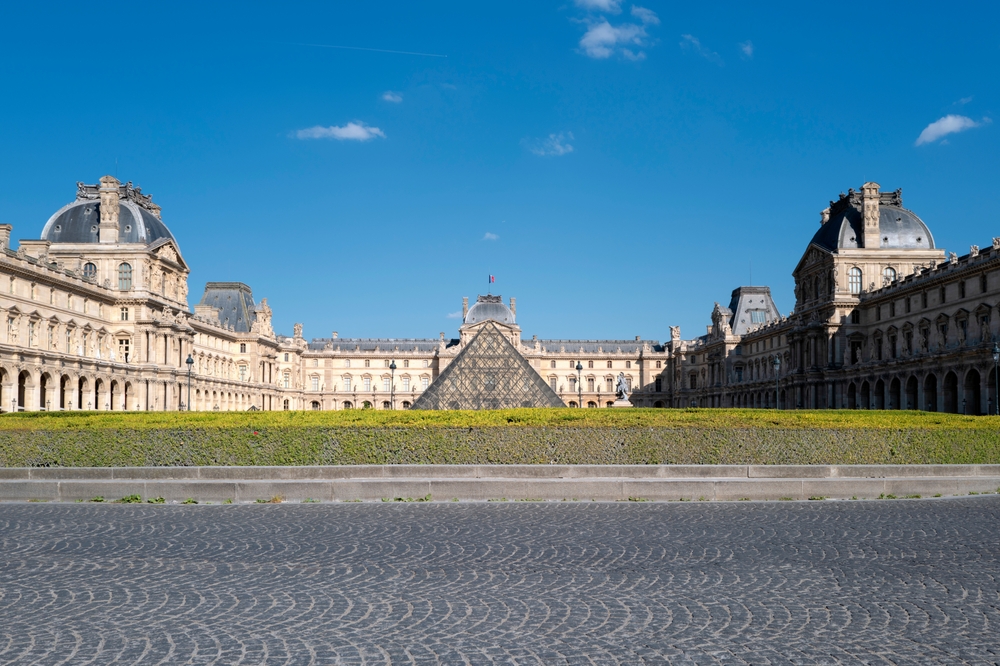
Louvre staff closed the Paris museum on Monday to protest working conditions and staffing shortages.
The strike followed months of complaints and came shortly after a high-profile jewellery heist in October.
Union leaders said 400 employees voted unanimously to walk out, though it remains unclear if the strike will extend beyond one day.
Striking workers blocked the museum’s glass pyramid with flags, banners, and placards.
The Louvre posted a notice online confirming the exceptional closure and promised ticket refunds.
Since the museum already closes on Tuesdays, staff could meet again Wednesday to decide whether to return or continue striking.
Visitors disappointed but empathetic
Tourists arriving at the museum expressed frustration and disappointment.
Lindsey Hall, visiting from Sacramento, California, said she had long looked forward to experiencing the collection.
She called the Louvre “an epic collection of art” and “one of those life experiences you crave.”
Hall said she understood why employees felt stressed, describing daily pressures inside the museum.
Other visitors echoed her sentiment, frustrated at missing the exhibits but sympathetic to staff.
Staff cite security concerns and funding gaps
Unions held talks last week with Culture Minister Rachida Dati, but employees said their concerns went unaddressed.
Alexis Fritche of the CFDT union said visiting the Louvre now feels “like an obstacle course” because of overcrowding and thin staffing.
The October jewellery heist heightened worries, revealing serious gaps in security and emergency coordination.
Police later arrested the four suspects accused of stealing €88 million in crown jewels.
Investigators blamed outdated cameras, poorly staffed control rooms, and miscommunication that initially sent officers to the wrong location.
CFDT demanded more security personnel, improved working conditions, stable long-term budgets, and leadership that listens to staff.
CGT union official Yvan Navarro said visitor numbers and prices rise while staff numbers and salaries remain stagnant.
He called the strike “a day of anger” after years of mounting pressure.
Unions described the Louvre as being in “crisis,” with insufficient resources and deteriorating working conditions.
The Culture Ministry appointed Philippe Jost, who oversaw Notre Dame’s reconstruction, to propose a major reorganisation.
Jost will submit recommendations by the end of February.
He will work with Louvre director Laurence des Cars, who previously called the heist a “terrible failure.”

