


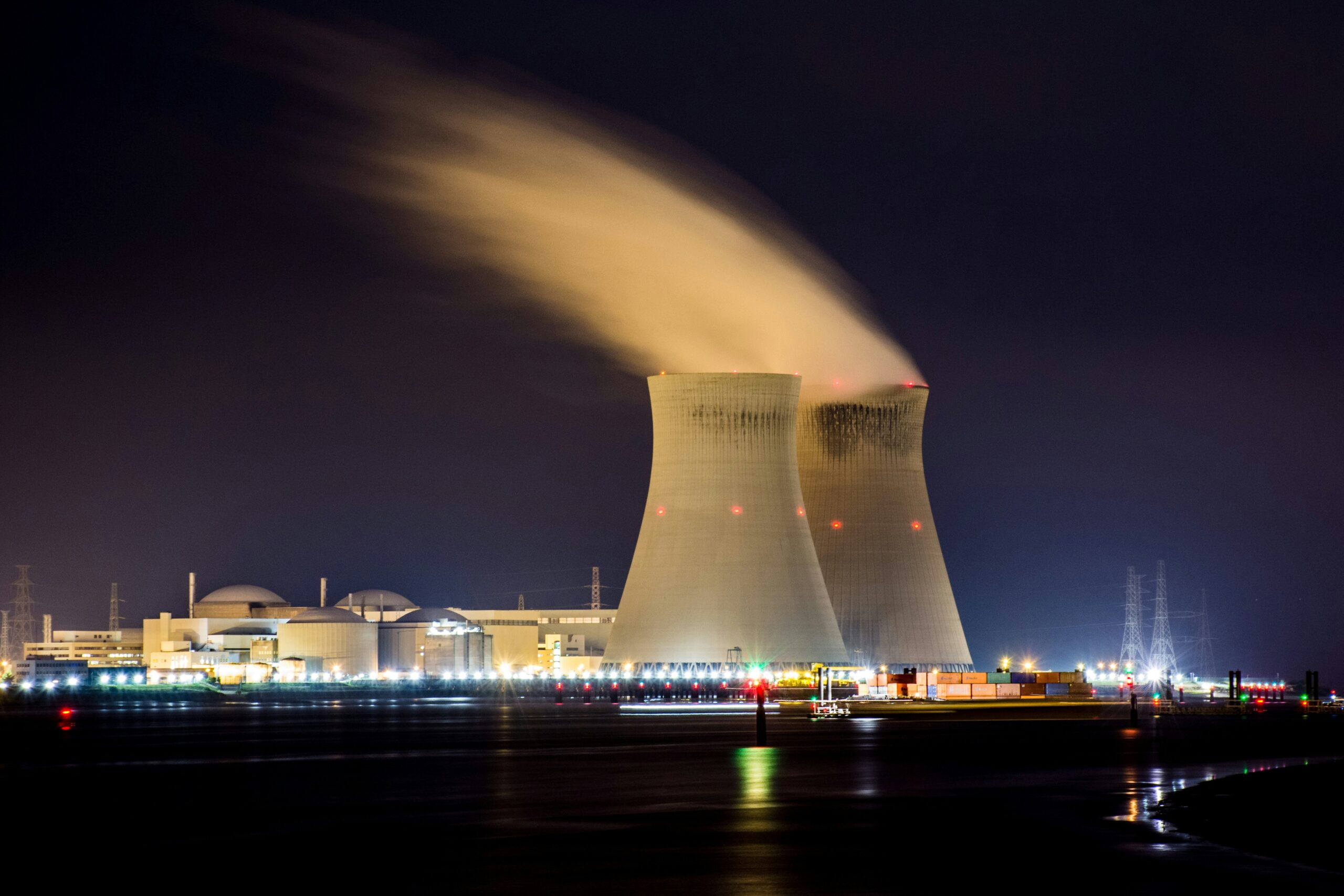
The government aims for nuclear power to supply up to 60 per cent of Czech electricity by 2050. Workers operate mobile rigs at Dukovany as they extract deep soil samples for a major expansion project worth $19 billion. Engineers evaluate the terrain to confirm it can support two new reactors that will at least double national nuclear output. South Korea’s KHNP won the contract and prepares to install two units that each exceed 1,000 megawatts. They will join Dukovany’s four 512-MW reactors, which have run since the 1980s.
KHNP also holds an option to build two more reactors at the Temelín plant, which already operates two 1,000-MW units. Officials then plan to add small modular reactors to strengthen long-term supply. Petr Závodský states that Czechia will draw over half its electricity from nuclear sources by 2050. He argues that nuclear expansion supports a shift away from fossil fuels, stabilizes prices, and covers rising demand driven by data centers and electric cars.
Europe Embraces Atomic Energy Again
Czechia expands nuclear capacity as Europe confronts higher energy needs and strict emission deadlines. Governments seek reliable power sources that avoid carbon dioxide, and nuclear plants meet that requirement despite producing long-term waste. The European Union includes nuclear activities in its sustainability classification system, which opens access to major financing. That decision benefits Czechia, Slovakia, Hungary, and France, which already depend heavily on nuclear power.
Belgium and Sweden reversed nuclear phase-out plans and now support continued use of atomic energy. Denmark and Italy review their past rejection of nuclear technology and consider new pathways. Poland prepares to join twelve pro-nuclear EU states after signing a deal with Westinghouse for three reactors. The EU generated 24 per cent of its electricity from nuclear facilities in 2024.
Britain signed a nuclear cooperation pact with the United States in September and announced a “golden age of nuclear.” It will invest £14.2 billion to build the Sizewell C plant, the first new British reactor since 1995. CEZ, which remains 70 per cent state-owned, also partnered with Rolls-Royce SMR to develop small modular reactors for future deployment.
Costs, Challenges, and Rising Resistance
The Dukovany expansion will cost more than €16 billion, and the government will acquire an 80 per cent stake in the new units. The state will secure a loan for construction, and CEZ will repay it across 30 years. Officials will guarantee stable electricity revenue for CEZ for 40 years. EU approval appears likely because the bloc aims to reach climate neutrality by 2050. Závodský insists that Czechia cannot complete its coal phase-out without new nuclear reactors. He notes that nuclear generates around 40 per cent of national power, while coal still produces another 40 per cent.
Czechia plans to abandon coal by 2033. Financial concerns caused earlier delays, including a 2014 cancellation of a Temelín tender after the government refused to guarantee revenues. Security issues removed Russia’s Rosatom and China’s CNG from the Dukovany competition after the invasion of Ukraine. CEZ later signed fuel-supply agreements with Westinghouse and Framatome, ending dependence on Russian fuel. KHNP will supply fuel for the new reactors for at least a decade.
Opponents remain vocal at home and abroad. Friends of the Earth argues that nuclear projects cost too much and divert funds from renewable improvements. Czechia still lacks a permanent site for storing spent fuel. Austria, which abandoned nuclear energy after the Chernobyl disaster, remains especially wary. Its lawmakers previously triggered a border crisis over Temelín in 2000, and they now reject Czech plans for small modular reactors.

