


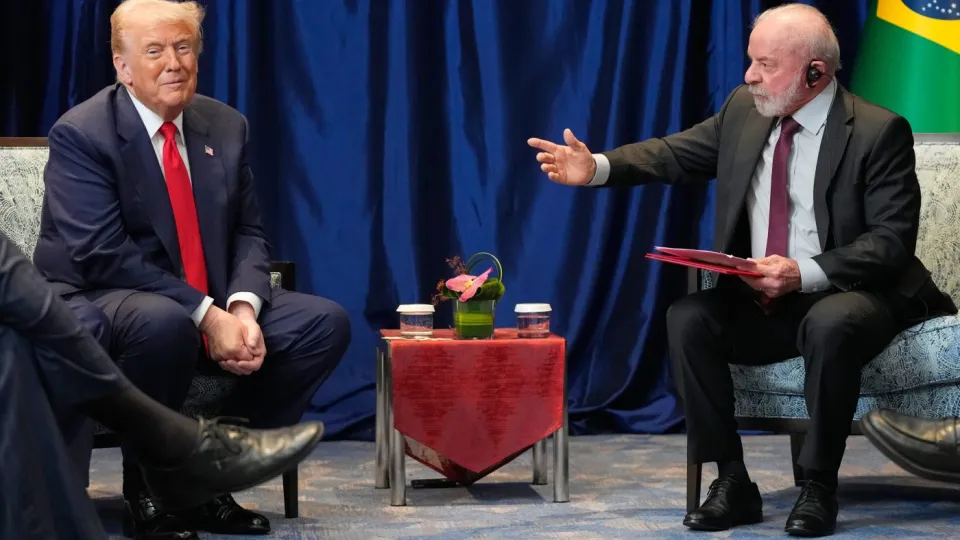
The United States Senate voted 52‑48 to remove tariffs on Brazilian imports, including coffee and beef. Five Republicans joined all Democrats in supporting the measure, marking a rare moment of bipartisan cooperation.
The tariffs, introduced during the Trump administration, imposed a 50% duty on a range of Brazilian goods. Critics argued the taxes increased costs for American consumers and strained trade relations. The Senate vote signals a shift toward easing these trade tensions.
Supporters say lifting the tariffs could reduce prices for everyday products like coffee and beef. Lawmakers also noted that ending the duties may improve U.S. relations with Brazil, a key trading partner in South America.
The vote reflects growing bipartisan agreement on trade issues. While the measure passed the Senate, it still faces approval in the House of Representatives. Analysts say the outcome in the lower chamber could depend on political calculations ahead of upcoming elections.
Some Republican senators cited economic benefits for American families as a reason for supporting the resolution. “This measure is about lowering costs and strengthening trade ties,” said one supporter. Democrats emphasized the importance of cooperation to address trade concerns while promoting economic stability.
The tariffs, first imposed in 2018, were part of a broader strategy by the Trump administration to renegotiate trade agreements and penalize countries perceived to have unfair practices. The high duties sparked complaints from U.S. importers and affected supply chains, especially in the food sector.
Experts predict that removing the tariffs could positively impact the U.S. economy by increasing import competition. Consumers may see a decline in prices, and businesses reliant on Brazilian goods could face fewer challenges.
Brazilian officials welcomed the Senate vote, noting that it could improve bilateral trade and encourage further negotiations on broader economic issues. The move may also strengthen diplomatic relations, as both nations have sought to expand trade and investment ties in recent years.
Trade analysts say this bipartisan vote shows that Congress is willing to act when economic benefits are clear. They suggest that easing tariffs could serve as a model for addressing other international trade disputes, particularly where consumers are directly affected.
While the Senate’s decision is significant, the ultimate outcome will depend on the House’s stance. If approved, the measure could take effect within months, reversing years of high import duties and signaling a new chapter in U.S.-Brazil trade relations.
For American shoppers, the decision represents potential savings on products like coffee, beef, and other Brazilian imports. It also demonstrates that bipartisan cooperation is possible on economic issues, even in a politically divided Congress.
This Senate vote marks one of the few instances in recent years where lawmakers across party lines have aligned on trade policy. Observers say it may encourage further discussion on revising tariffs and promoting free trade agreements that benefit both consumers and businesses.

